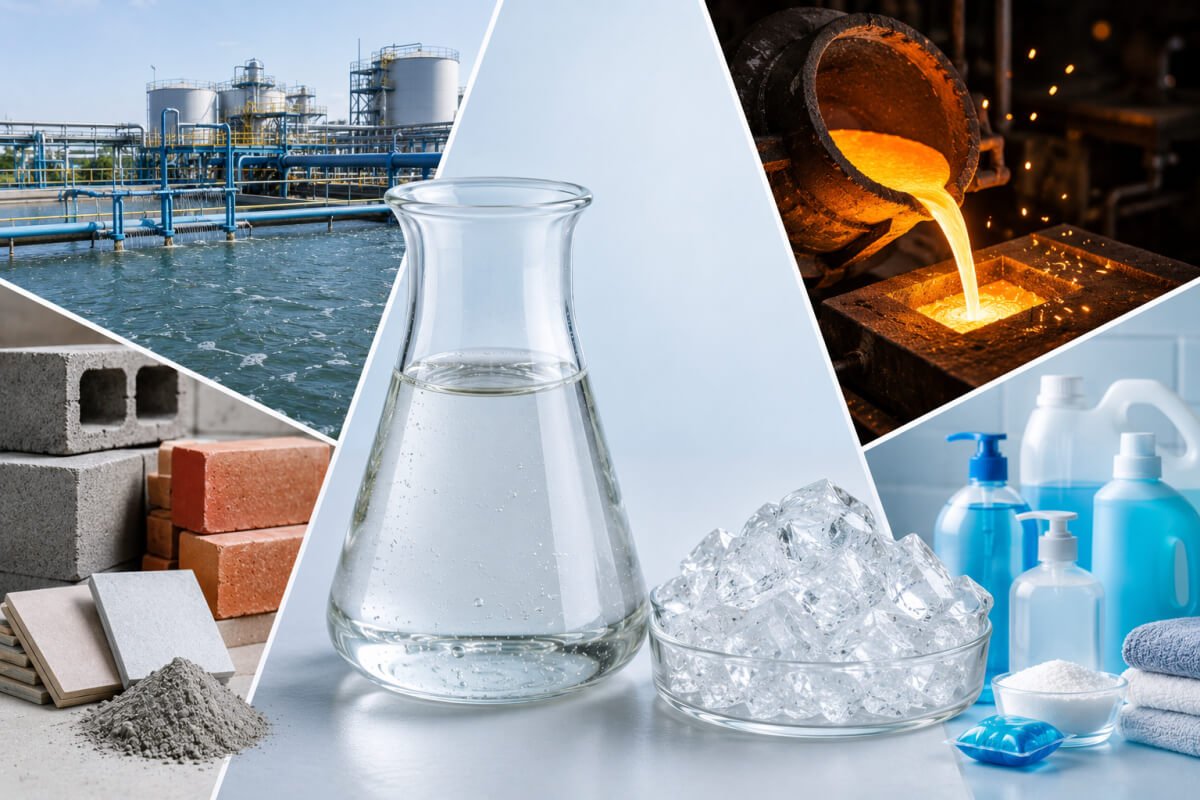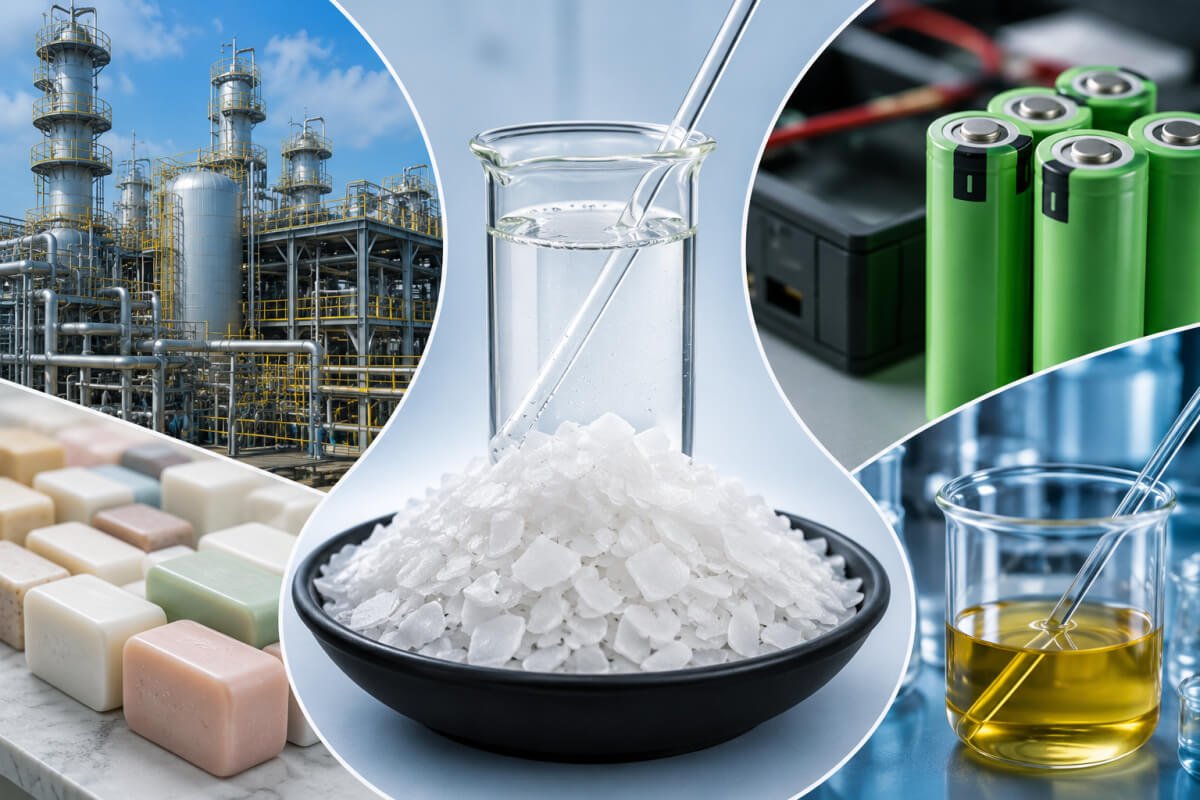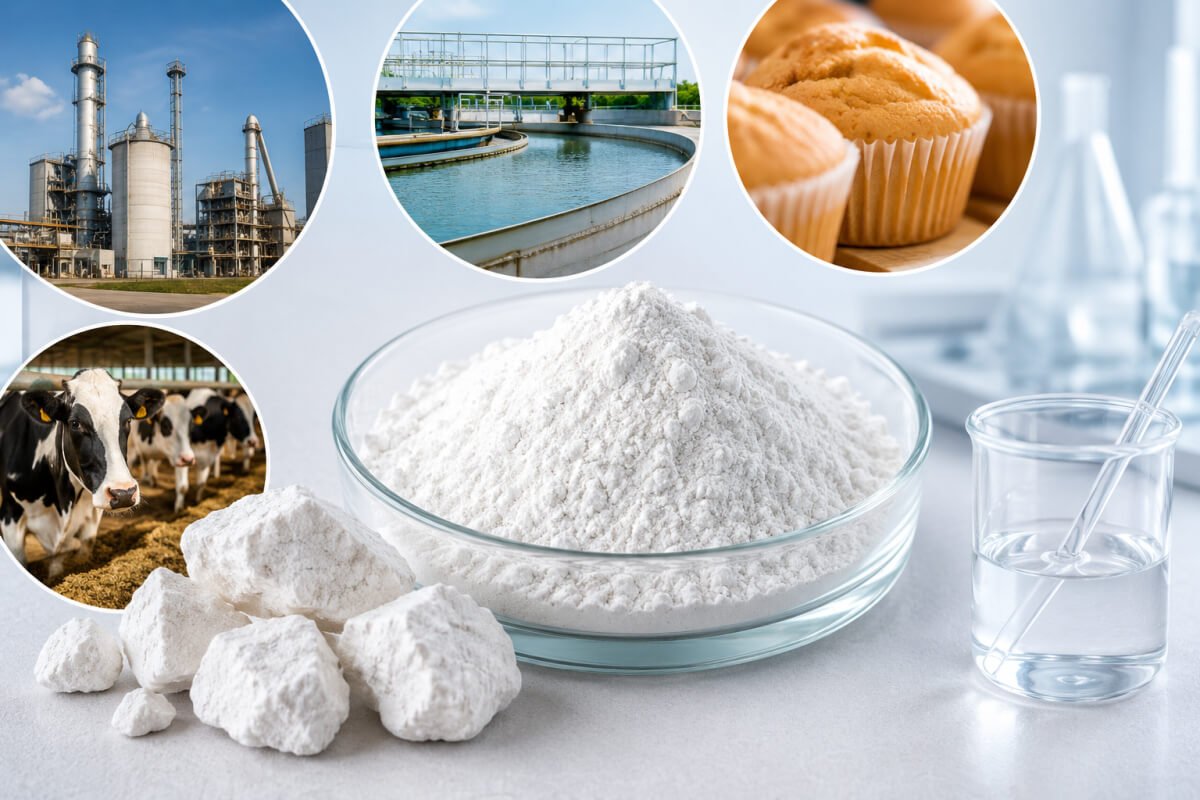
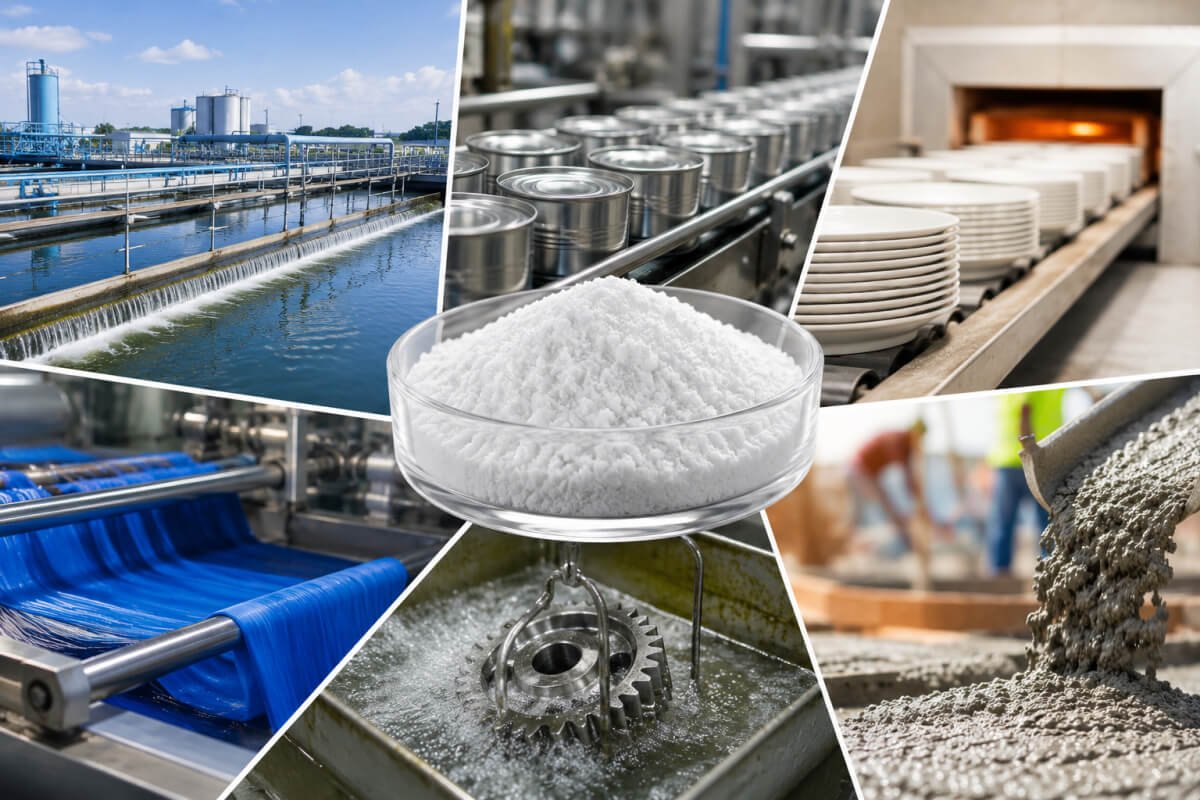
When most people hear about Sodium Tripolyphosphate (STPP), they immediately associate it with laundry detergents and cleaning products. And while the detergent industry is certainly one of its largest consumers, STPP’s true industrial value extends far beyond the washing machine. This high-performance phosphate compound plays a vital role across ceramics, food processing, water treatment, paper manufacturing, construction, and more.
For industries looking to buy sodium tripolyphosphate in India in commercial volumes, understanding the full scope of STPP’s applications helps in making smarter procurement decisions. Sri Varahi Chemicals, a trusted sodium tripolyphosphate manufacturer in India, supplies high-purity sodium tripolyphosphate industrial grade to sectors where consistent quality is non-negotiable.
Let’s explore the top industrial uses of STPP that go well beyond detergents.
What Makes STPP So Versatile?
Sodium Tripolyphosphate (Na₅P₃O₁₀) is an inorganic polyphosphate salt known for its exceptional chelating, dispersing, buffering, and sequestering properties. It effectively binds with metal ions, prevents scale formation, modifies viscosity, and stabilises emulsions — a combination of functions that makes it indispensable in a wide range of industrial applications of sodium tripolyphosphate.
Its high solubility, chemical stability, and compatibility with other compounds make it a go-to functional additive wherever process efficiency and product quality matter.
1. Ceramics and Tile Manufacturing
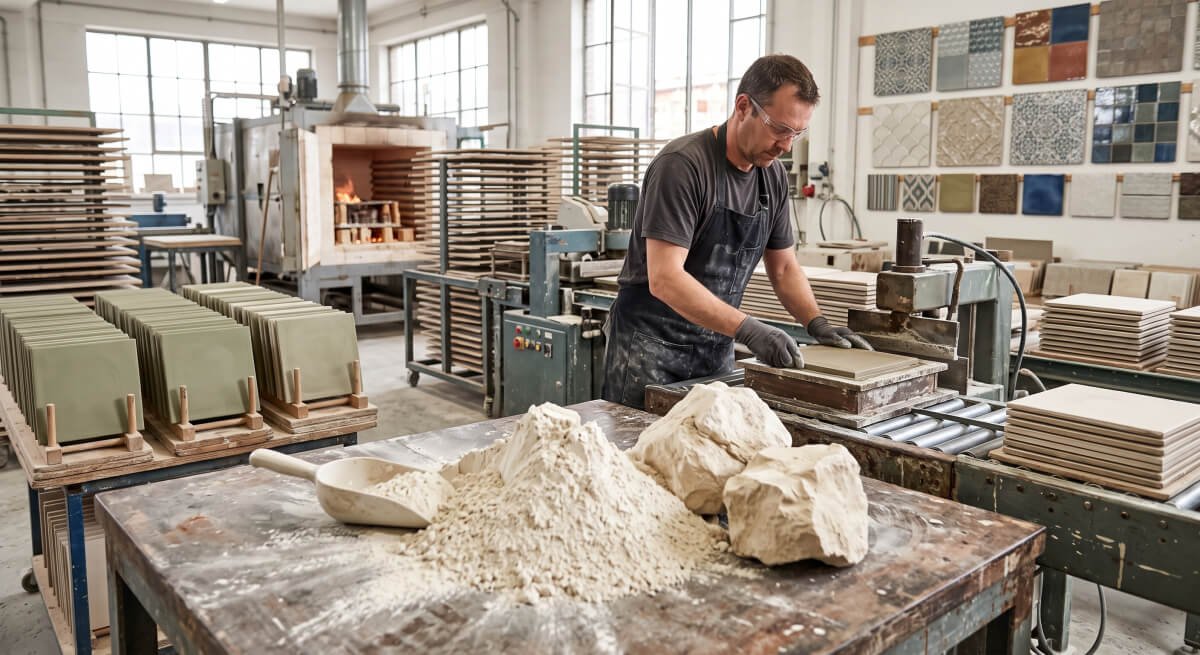
One of the most significant industrial uses of sodium tripolyphosphate outside of detergents is in the ceramics industry. STPP is used as a deflocculant — a substance that reduces the viscosity of ceramic slurries without altering water content. This is critical during the slip casting and spray drying stages of tile, sanitaryware, and porcelain production.
By improving the flow characteristics of the clay body, STPP helps manufacturers reduce energy consumption during processing, improve mould filling, and produce tiles with a more uniform density. Even small dosages — typically 0.2% to 0.5% by weight — can produce dramatic improvements in slurry performance.
For ceramic manufacturers across India sourcing a dependable STPP supplier India, product consistency and correct anhydrous-to-hydrate ratio are essential quality parameters.
2. Food Processing Industry
Food-grade STPP is widely used as a sequestrant, emulsifier, and moisture-retention agent in processed foods. While this blog focuses on industrial applications, it’s worth noting that STPP’s food-safe properties have led to its approval by food safety authorities globally for use in meat processing, seafood treatment, and dairy products.
In the seafood processing industry, STPP is applied to shrimp, fish, and scallops before freezing to retain moisture, preserve texture, and extend shelf life. In meat processing, it improves water-holding capacity and enhances product yield. Industrial food processors sourcing sodium tripolyphosphate for industrial applications must ensure compliance with food-grade purity standards.
3. Water Treatment
STPP’s powerful sequestering ability makes it highly effective in water treatment applications. It binds with calcium and magnesium ions — the primary culprits behind scale formation in pipes, boilers, and cooling systems — preventing them from precipitating and causing blockages or corrosion.
Industrial facilities such as power plants, petrochemical units, and large manufacturing complexes rely on industrial sodium tripolyphosphate for boiler water conditioning, cooling tower treatment, and municipal water softening. It is also used to inhibit corrosion in industrial pipelines by forming a protective molecular barrier on metal surfaces.
Given the scale at which water treatment facilities operate, they frequently look for a reliable sodium tripolyphosphate bulk supplier who can guarantee uninterrupted supply at consistent quality.
4. Paper and Pulp Industry
In papermaking, STPP functions as a dispersant and bleach assistant. During the pulp bleaching process, it helps distribute bleaching agents more evenly across the pulp mass, improving the efficiency of the whitening process and reducing chemical consumption. It also prevents pitch deposits — a common cause of production downtime and paper quality issues — in pulp and paper machinery.
STPP is additionally used in paper coating formulations to improve the dispersion of pigments such as kaolin and calcium carbonate, which are applied to enhance print quality and surface smoothness.
5. Oil and Gas Industry
The oil and gas sector uses STPP as a drilling fluid additive. In water-based drilling muds, it acts as a thinner or dispersant — reducing viscosity and preventing clay particles from flocculating. This ensures smoother drilling operations, better borehole stability, and easier removal of drill cuttings.
STPP is also used in well stimulation processes where scale inhibition is critical. In high-temperature environments, its ability to chelate calcium, barium, and strontium ions prevents scale accumulation that would otherwise restrict flow in production tubing.
6. Construction and Building Materials
STPP finds application in the construction chemicals industry as an additive in cement and gypsum-based products. It improves the workability of cement slurries and plaster mixes by acting as a dispersant — reducing water demand without compromising the strength of the cured material.
In tile adhesives and grouts, STPP acts as a thickening modifier, helping achieve the right consistency for application. It also improves the open time of adhesive formulations, giving applicators more working time before the product sets.
7. Leather and Textile Industries
In leather processing, STPP is used during the soaking and liming stages to soften hides and remove non-structural proteins more efficiently. It improves the penetration of chemicals into the hide, reducing processing time and improving leather quality.
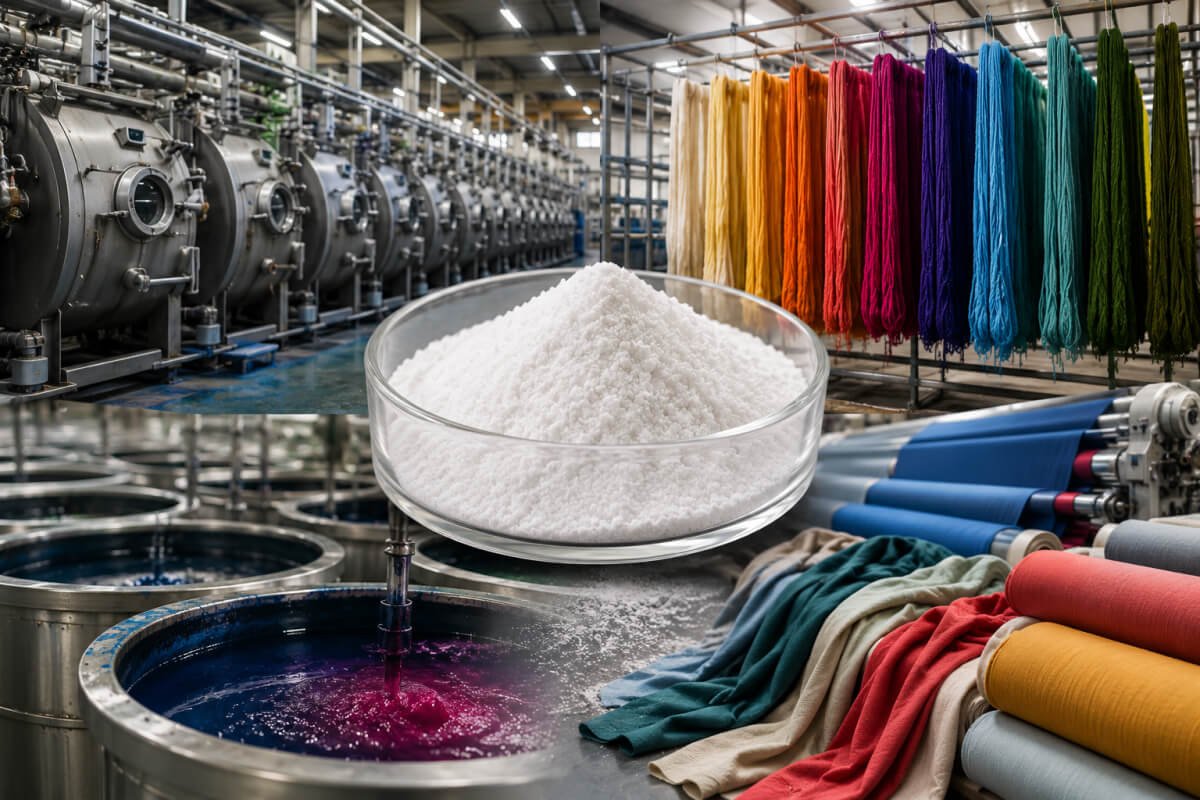
In textile manufacturing, it serves as a sequestrant in dyeing baths, deactivating hard water ions that would otherwise interfere with dye uptake and cause uneven coloration. This is particularly important for achieving uniform shades in large-volume fabric dyeing.
8. Metal Surface Treatment
STPP is used in metal cleaning and surface preparation formulations — particularly as a builder in alkaline cleaners for industrial metal parts. It removes grease, oil, and metal oxide deposits while preventing re-deposition of soil onto the cleaned surface.
It also finds use in electroplating baths and phosphating processes, where it helps condition the metal surface before coating or plating is applied. This improves adhesion and the overall durability of surface coatings.
Why the Source of Your STPP Matters
Across all the industries listed above, one constant holds true: product quality directly affects process outcomes. Impure or inconsistently formulated STPP can disrupt ceramic slurry flow, cause food processing compliance failures, or reduce water treatment efficiency. The SiO₂ content, phase composition (anhydrous vs. hexahydrate), and particle size distribution all affect how STPP performs in a given application.
This is why procurement teams — whether working in ceramics, food, construction, or oil and gas — need to partner with a certified STPP chemical manufacturer who delivers traceable, lab-tested product with every batch.
Sri Varahi Chemicals — A Trusted STPP Supplier Across Industries
Headquartered in Chennai, Sri Varahi Chemicals has been a leading name in industrial chemical manufacturing since 2001, with a turnover exceeding ₹500 crores. As one of the foremost STPP exporters India can rely on, we supply sodium tripolyphosphate industrial grade to a broad spectrum of sectors — from ceramics and water treatment to food processing and construction chemicals.
Our STPP is produced using advanced processing technology and high-grade raw materials, with every batch undergoing rigorous quality testing. We offer:
- High-purity industrial and food-grade STPP with consistent phase composition
- Bulk supply capability for large industrial buyers across India and international markets
- Flexible packaging and custom lot sizes to match your operational requirements
- On-time delivery backed by our own logistics infrastructure
- Competitive pricing for long-term supply partnerships
Whether you are a first-time buyer looking to buy sodium tripolyphosphate in India or an established manufacturer seeking a more reliable sodium tripolyphosphate bulk supplier, our team is equipped to serve you.
Get in Touch
Explore how Sri Varahi Chemicals can support your industrial supply requirements with consistent, quality-assured STPP. Reach out to our team via our Contact Page to request product specifications, a bulk quote, or a sample for evaluation.
Sri Varahi Chemicals — Your dependable industrial sodium tripolyphosphate supplier, delivering quality that industries trust.