Sodium tripolyphosphate — widely known by its abbreviation STPP — is one of the most heavily consumed inorganic chemicals in the global detergent, food processing, water treatment, and industrial cleaning sectors. Its remarkable ability to soften hard water, sequester metal ions, emulsify fats, and maintain pH stability makes it a non-negotiable ingredient in thousands of commercial and industrial formulations.
Yet for procurement managers and formulators, sourcing STPP is not as straightforward as placing a bulk order with the lowest bidder. The grade, purity, phase composition, and supply reliability of sodium tripolyphosphate vary widely between manufacturers — and these differences directly affect downstream product performance, regulatory compliance, and production economics. For industrial buyers looking to buy sodium tripolyphosphate in bulk, understanding what to evaluate before selecting a supplier is essential.
This guide covers the key factors that every buyer should consider when choosing from sodium tripolyphosphate manufacturers in India.
What Is Sodium Tripolyphosphate?
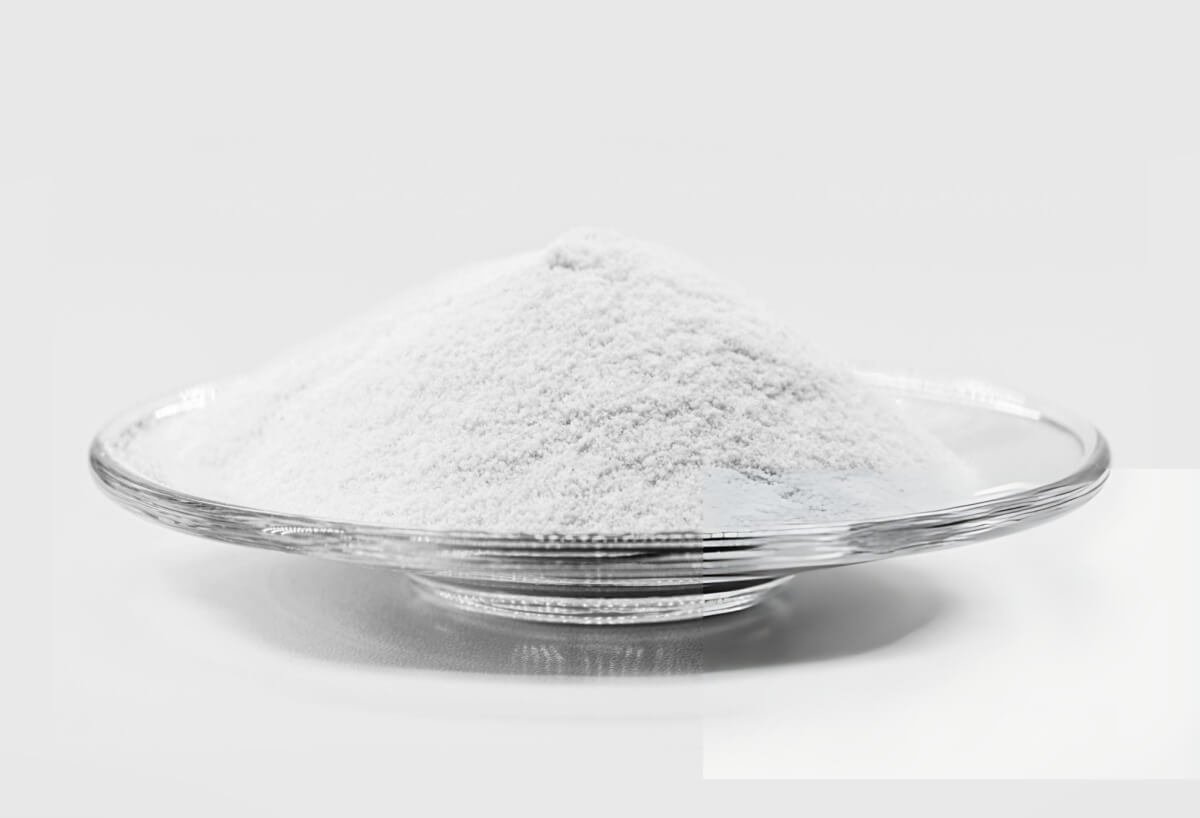
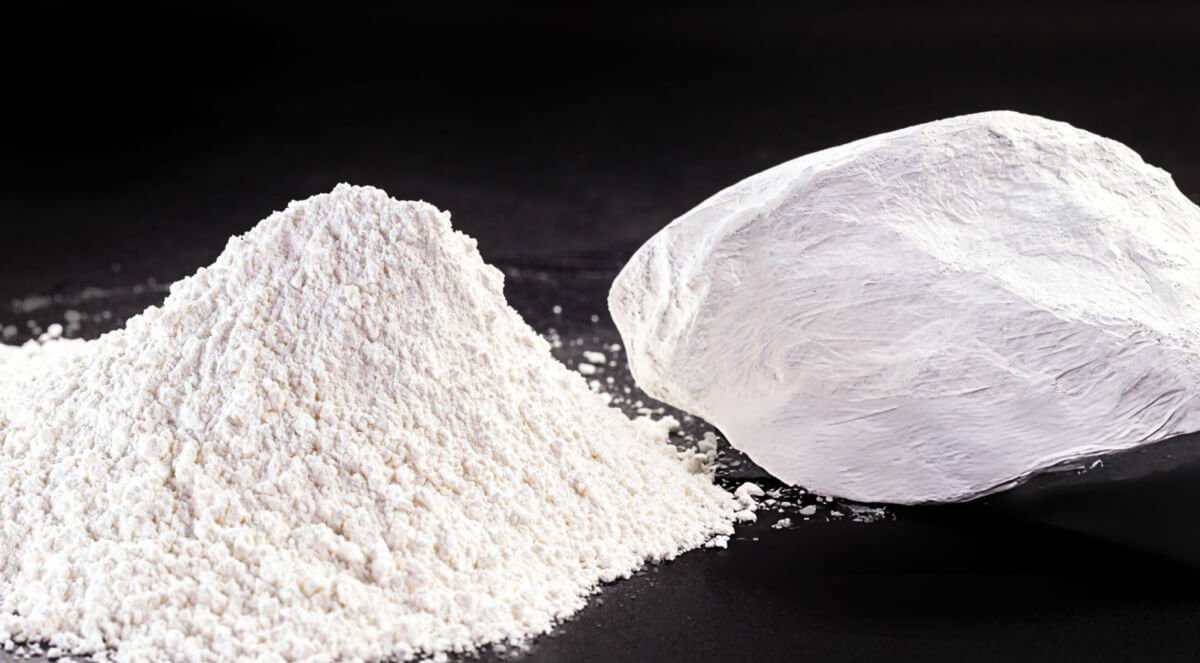
Sodium tripolyphosphate (Na₅P₃O₁₀) is a white, free-flowing powder manufactured by heating a controlled mixture of disodium phosphate and monosodium phosphate. It has a molecular weight of 367.86 g/mol, a melting point of 622°C, and dissolves readily in water to form a mildly alkaline solution with a pH of 9.5 to 10.0.
What makes STPP exceptionally useful across industries is its chelating power. It binds calcium and magnesium ions in hard water — ions that would otherwise deactivate surfactants and interfere with cleaning, processing, and treatment operations. This sequestering ability, combined with its emulsification, deflocculation, and buffering properties, makes it one of the most functionally versatile phosphate compounds available.
As a reliable sodium tripolyphosphate manufacturer, Sri Varahi Chemicals supplies high-purity, industrial-grade STPP with consistent composition and controlled phase ratios for detergent, ceramic, food processing, and water treatment applications.
Key Quality Parameters Buyers Must Verify
Not all STPP on the market meets the quality benchmarks that industrial applications demand. When evaluating sodium tripolyphosphate suppliers in India, the following parameters should be verified before any purchase commitment.
Assay (Active Content): Sodium tripolyphosphate industrial grade material should have a minimum Na₅P₃O₁₀ content of 94%, with premium grades exceeding 95%. Lower assay levels mean more filler and less active chemistry per kilogram, which increases dosage requirements and raises per-unit formulation costs.
P₂O₅ Content: The phosphorus pentoxide content — typically 57% minimum — is a direct indicator of the product’s chemical strength. It is the primary specification that detergent and ceramic manufacturers use to benchmark incoming material quality.
Phase I to Phase II Ratio: STPP exists in two crystalline phases — Phase I (high temperature) and Phase II (low temperature). Phase II has a significantly higher hydration rate and dissolves faster in water, making it preferred for detergent applications where rapid dissolution is critical. The Phase I/Phase II ratio is controlled during manufacturing by adjusting calcination temperatures and cooling rates. A credible sodium tripolyphosphate manufacturer will specify and control this ratio to match the buyer’s application requirements.
Moisture and Loss on Drying: Moisture content should be below 0.7% for anhydrous STPP. Excess moisture causes caking, reduces shelf life, and creates dosing inconsistencies in automated blending systems.
Water-Insoluble Matter: This should be below 0.1%. Insoluble residues create visible impurities in detergent products, clog spray-drying nozzles, and leave deposits in cleaning baths and processing equipment.
Iron Content: Iron contamination (as Fe) should be below 0.01%. Even trace levels of iron can cause discolouration in white detergent powders and staining in ceramic applications.
Whiteness: A whiteness index of 90 or above is standard for detergent-grade STPP. Lower whiteness affects the visual quality of the finished product — a factor that matters significantly in consumer-facing detergent and cleaning product brands.
A trustworthy sodium tripolyphosphate manufacturer will provide a detailed Certificate of Analysis (CoA) with every shipment covering all of these parameters and will maintain strict batch-to-batch consistency through ISO-certified quality processes.
Industrial Applications and Grade Selection
STPP serves fundamentally different functions across different industries, and the grade requirements vary accordingly. Understanding which grade fits your application prevents quality issues and avoids paying for specifications you do not need.
Detergent and Cleaning Products: This is the single largest application for STPP globally. It functions as a builder — softening hard water by binding calcium and magnesium ions, maintaining alkaline pH for effective surfactant activity, emulsifying greasy soils, and keeping removed dirt suspended in the wash solution to prevent redeposition. Detergent-grade STPP requires high assay, high whiteness, controlled Phase II content for rapid dissolution, and fine particle size for uniform blending with other dry ingredients.
Many detergent manufacturers use STPP in combination with other alkaline builders such as sodium meta silicate to create multi-functional formulations. While STPP handles water softening and sequestration, sodium meta silicate contributes high alkalinity and corrosion protection — together they form the chemical backbone of most commercial and industrial cleaning products.
Ceramics and Tile Manufacturing: In the ceramics industry, STPP is used as a deflocculant in ceramic slurry preparation. It reduces the viscosity of the clay-water mixture, allowing higher solid content with less water — which improves casting density, reduces drying energy, and minimises shrinkage defects. Ceramic-grade STPP prioritises low iron content and consistent deflocculating performance.
Food Processing: Food-grade STPP (E451) is used as a moisture-retention agent and emulsifier in processed meat, seafood, and dairy products. It improves texture, appearance, and shelf life. Food-grade material must meet stringent purity standards with verified limits on heavy metals, arsenic, fluoride, and cadmium.
Water Treatment: STPP is used in water treatment as a sequestering agent to prevent scale formation and as a corrosion inhibitor for steel pipelines and equipment.
Leather and Textile Processing: In the leather industry, STPP serves as a tanning agent. In textiles, it is used as a dyeing auxiliary that improves dye uptake and colour consistency.
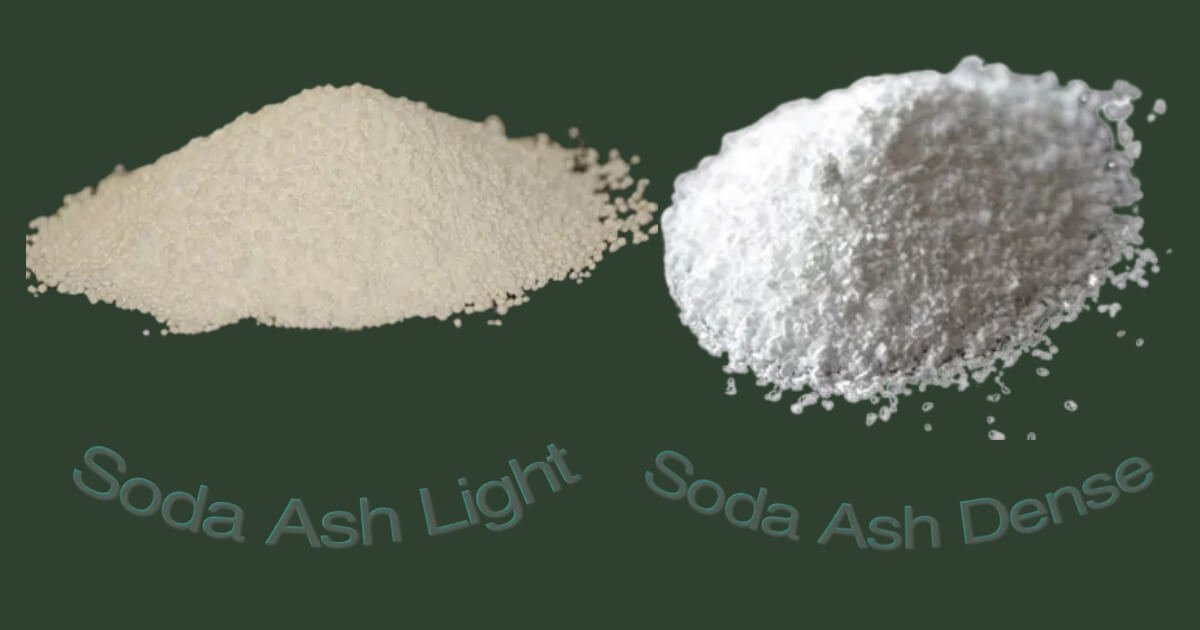
For buyers involved in detergent manufacturing, it is worth exploring how soda ash light is used in detergent and soap manufacturing as well, since soda ash light is another essential builder commonly used alongside STPP in powder detergent formulations.
Bulk Supply: What to Expect from a Reliable Supplier
For industrial operations consuming STPP in multi-tonne volumes, supply reliability is as important as product quality. When evaluating a sodium tripolyphosphate bulk supplier India, several operational factors should be assessed.
Production Capacity and Lead Times: The manufacturer should have sufficient capacity to handle your current volumes and accommodate seasonal demand fluctuations. Ask about standard production lead times, buffer stock availability, and minimum order quantities for both standard and custom grades.
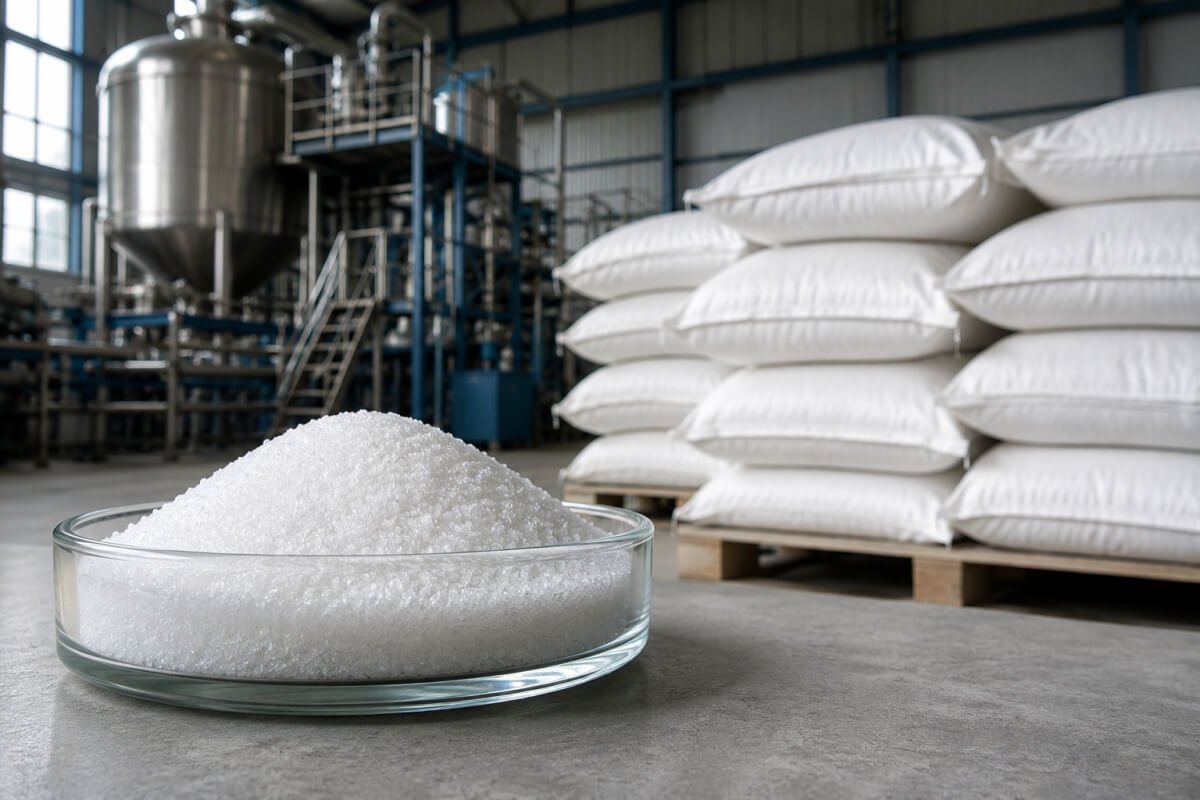
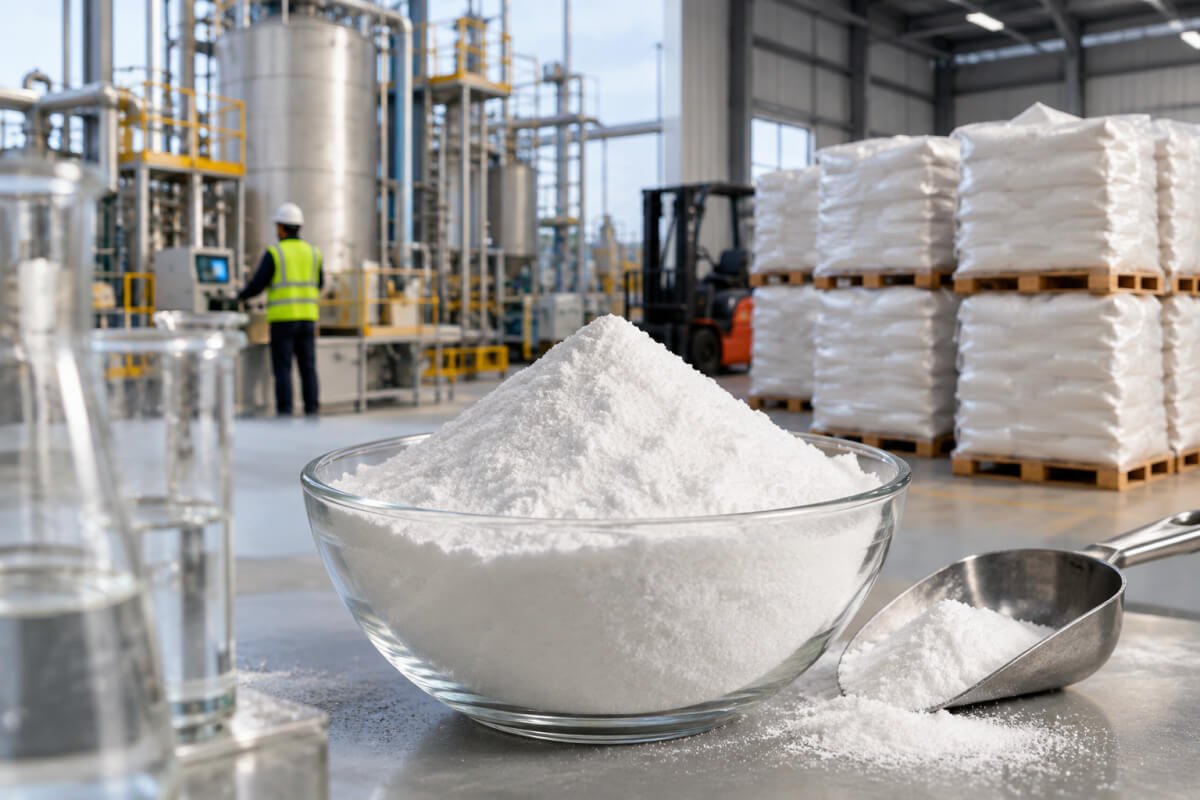
Packaging Options: A capable sodium tripolyphosphate wholesale supplier will offer flexible packaging to suit different storage and handling needs — 25 kg and 50 kg HDPE laminated bags for standard orders, 1 MT jumbo bags for high-volume domestic buyers, and palletised containerised shipments for export orders. All packaging should provide adequate moisture protection, as STPP is hygroscopic and will degrade if exposed to ambient humidity during transit or storage.
Logistics and Distribution Network: The manufacturer’s ability to deliver consistently across India’s major industrial regions — Gujarat, Maharashtra, Tamil Nadu, Telangana, Karnataka, Andhra Pradesh, and Rajasthan — determines whether your supply chain runs smoothly or suffers from transit delays and stockouts.
Export Capability: For international buyers and chemical trading companies, sodium tripolyphosphate exporters India supplies must demonstrate experience with export-grade packaging, international shipping documentation, customs compliance, and containerised logistics to multiple destination markets.
Pricing Considerations
Sodium tripolyphosphate price in India is influenced by several factors — raw material costs (primarily phosphoric acid and soda ash), energy costs for the calcination process, the specific grade and phase composition, order volume, and packaging format. Food-grade STPP typically commands a premium over detergent or technical grades due to stricter purity requirements and additional testing.
As with all industrial chemicals, the lowest price per kilogram is not always the most economical option. Inconsistent quality leads to formulation rework, variable product performance, higher rejection rates, and potential compliance issues — hidden costs that quickly outweigh any upfront savings. The most cost-effective procurement strategy is to source from a manufacturer that delivers consistent, certified quality at competitive pricing, with transparent specifications and reliable logistics.
Why Sri Varahi Chemicals Is the Right Partner
Sri Varahi Chemicals has served as one of the most trusted sodium tripolyphosphate manufacturers in India for over 25 years. The company supplies high-purity, industrial-grade STPP to detergent manufacturers, ceramic producers, food processors, and chemical formulators across India and more than 40 export markets worldwide.
Every batch is laboratory tested for assay, P₂O₅ content, phase composition, moisture, iron, whiteness, and water-insoluble matter. The company holds ISO certification, maintains a strong distribution network across all major Indian industrial hubs, and provides export-ready packaging with complete documentation for international shipments.
With flexible packaging options ranging from 25 kg bags to full container loads, competitive bulk pricing, and a dedicated technical team that assists with grade selection and formulation support, Sri Varahi Chemicals delivers the quality, volume, and reliability that industrial STPP buyers require.
Contact Sri Varahi Chemicals today for bulk quotations, technical datasheets, or expert guidance on selecting the right sodium tripolyphosphate grade for your application.