When it comes to sodium silicate for industrial applications, two forms dominate the market — sodium silicate glass and sodium silicate liquid. Both are derived from the same base chemistry of silica (SiO₂) and sodium oxide (Na₂O), yet they serve distinctly different purposes across manufacturing, construction, and chemical processing industries. Choosing between them depends on your production process, application requirements, and logistics.
If you are looking to buy sodium silicate glass and liquid in India, understanding the fundamental differences between these two forms will help you make a more informed procurement decision and optimise your operational efficiency.
What Is Sodium Silicate Glass?
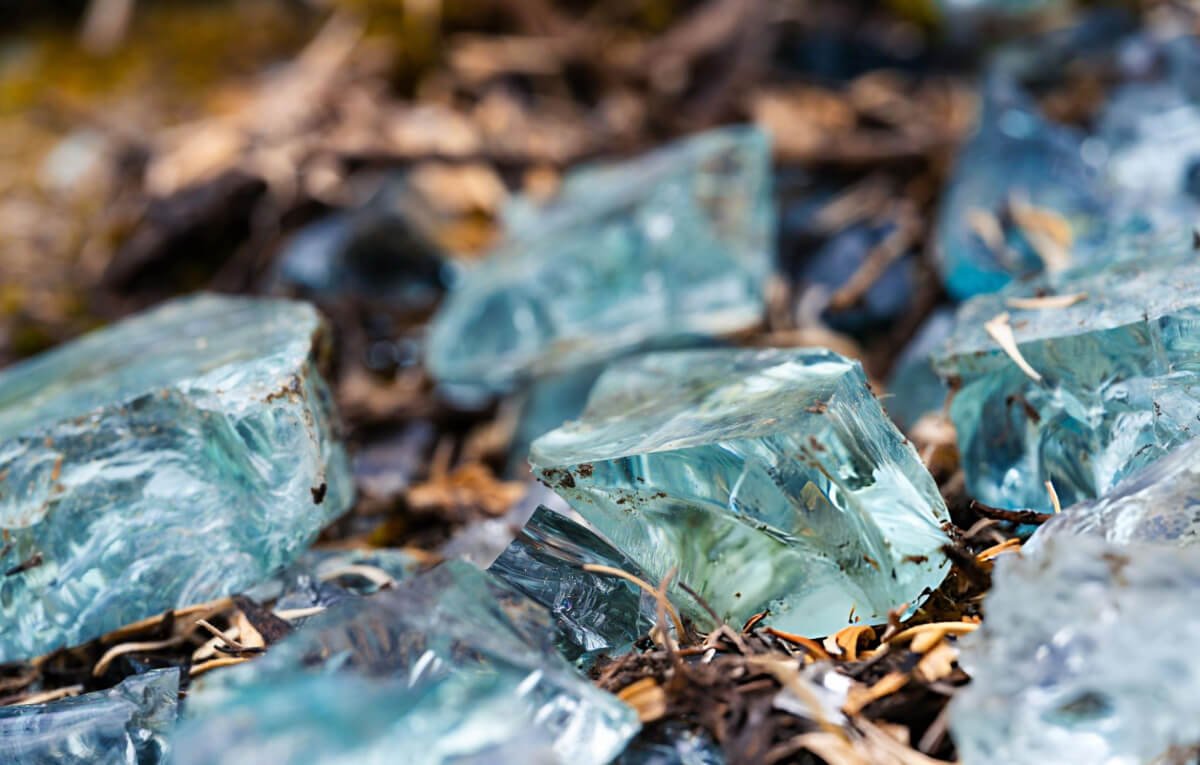
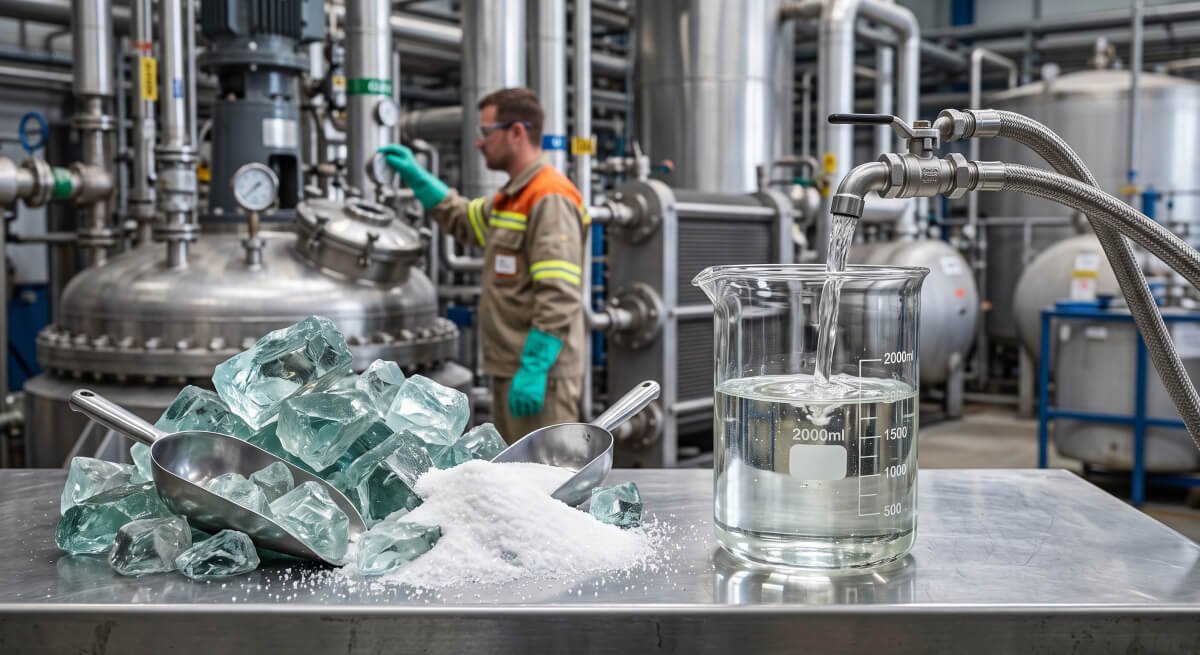
Sodium silicate glass — also referred to as alkali silicate glass — is the solid form of sodium silicate. It is manufactured by melting high-purity silica sand with soda ash at extremely high temperatures inside industrial furnaces. The molten material is then cooled and broken into glass lumps or cullets.
This industrial sodium silicate glass is characterised by its transparent to slightly greenish appearance, high SiO₂ content (typically 65–75%), and a customisable silica-to-alkali ratio ranging from 2.0 to 3.5. It offers excellent chemical stability, strong bonding properties, and consistent composition, making it a critical raw material across several heavy industries.
As a leading sodium silicate glass manufacturer in India, Sri Varahi Chemicals produces high-purity cullets with precise chemical ratios tailored to meet specific industrial needs.
What Is Sodium Silicate Liquid?
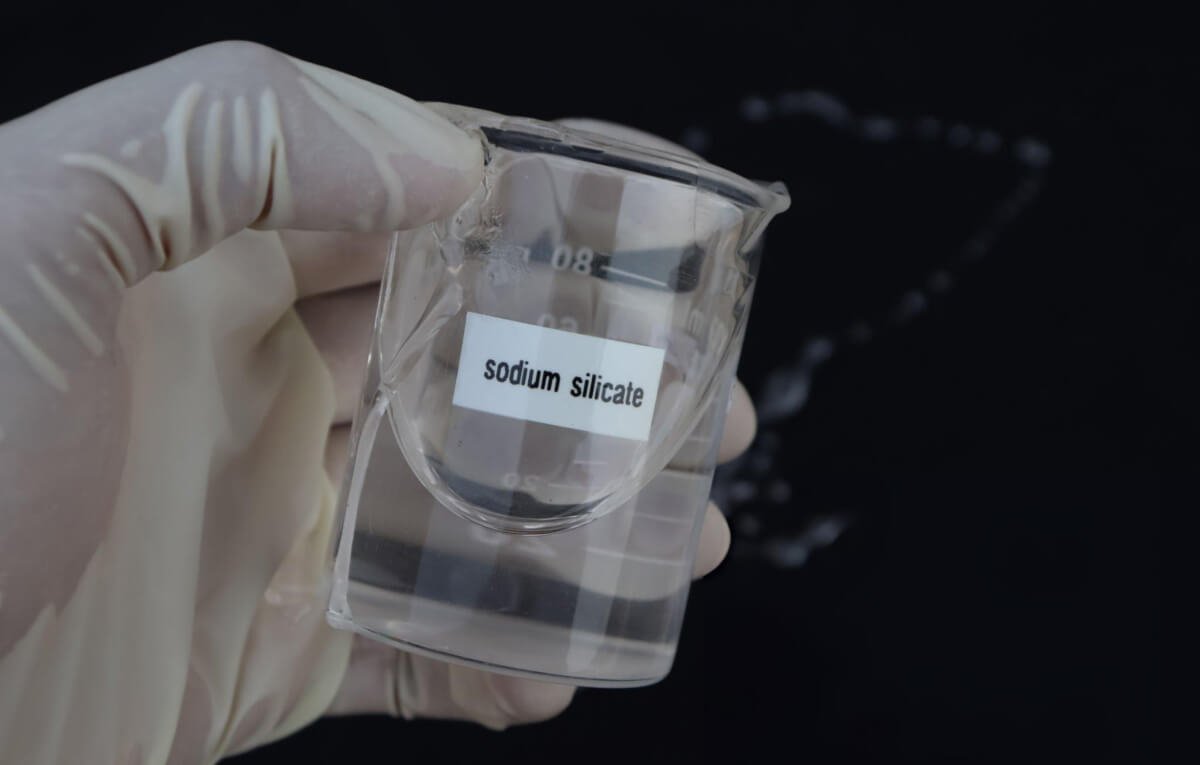
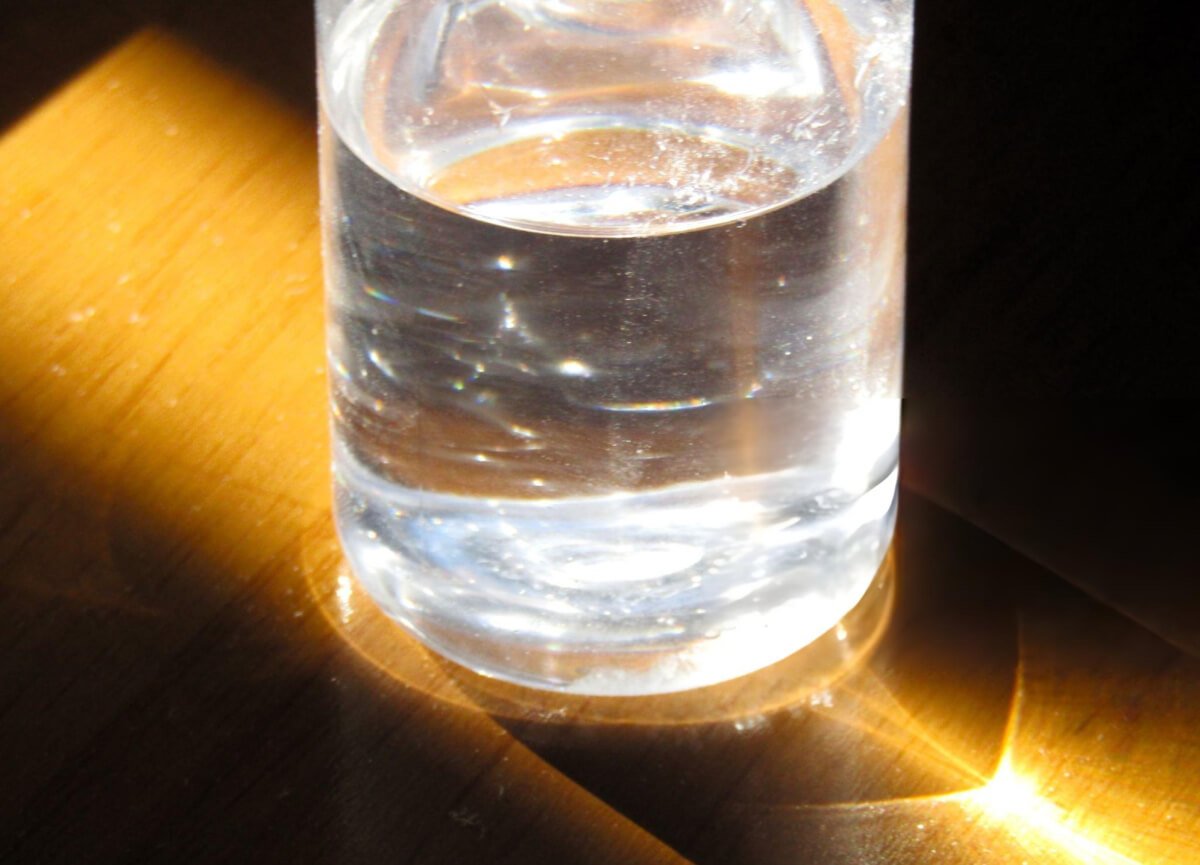
Sodium silicate liquid, commonly known as water glass, is the dissolved form of sodium silicate. It is produced by dissolving sodium silicate glass in water under controlled heat and pressure conditions. The result is a clear to slightly hazy viscous alkaline solution with a pH value between 11 and 13.
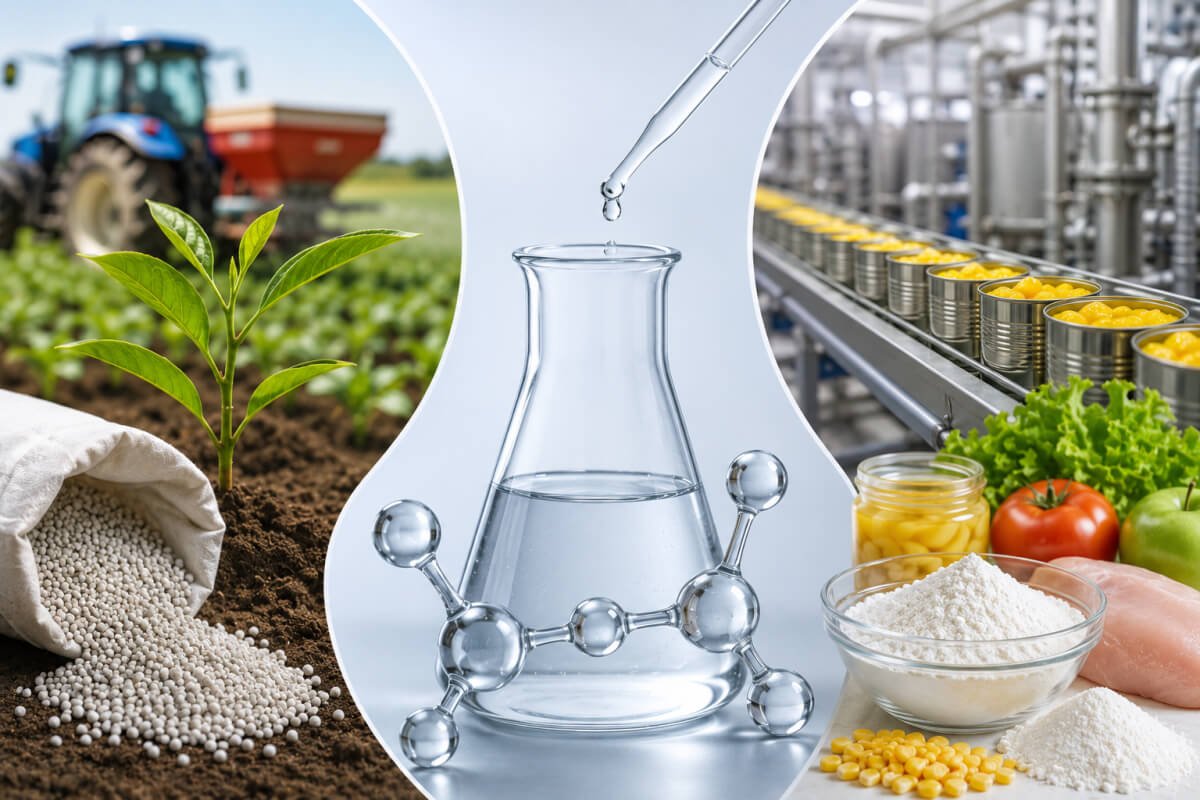
This industrial sodium silicate liquid is completely soluble in water and ready for direct use in manufacturing processes. It functions as a binder, deflocculant, and emulsifier, making it indispensable in detergent manufacturing, adhesive production, construction applications, and foundry operations.
Sri Varahi Chemicals is a trusted sodium silicate liquid manufacturer in India, supplying customised formulations in bulk to industries nationwide and across international markets.
Key Differences Between Sodium Silicate Glass and Sodium Silicate Liquid
Understanding the distinction between sodium silicate glass vs sodium silicate liquid comes down to a few critical factors — physical form, usage stage, handling, and end application.
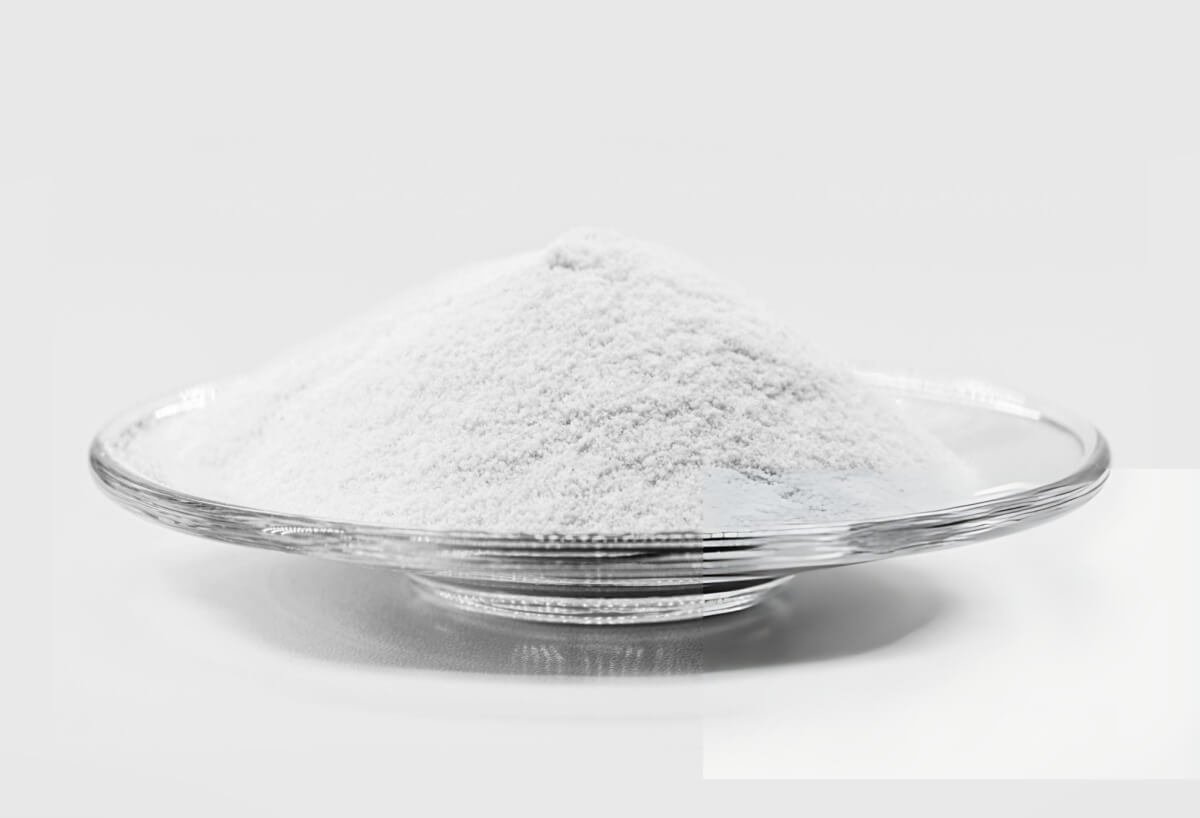
Physical State and Appearance: Sodium silicate glass is a hard, solid material available as lumps or crushed cullets. Sodium silicate liquid, on the other hand, is a viscous alkaline solution supplied in drums, IBC tanks, or bulk tankers.
Production Relationship: The glass form is actually the precursor to the liquid form. Manufacturers dissolve sodium silicate glass under heat and pressure to produce sodium silicate liquid. This means glass is an upstream raw material, while the liquid is a downstream, ready-to-use product.
Storage and Transportation: Industrial sodium silicate glass has a clear advantage in bulk logistics. Solid cullets are easier to store, have a longer shelf life, and are more cost-effective to transport over long distances — especially for export. The liquid form requires leak-proof containers and careful handling to prevent spillage and crystallisation.
Ease of Use: Sodium silicate liquid wins when it comes to convenience. Since it is already in solution form, it can be directly added to formulations without the need for dissolution equipment. Industries that need ready-to-use alkaline binders or adhesive agents often prefer the liquid.
Customisation: Both forms are available in customisable SiO₂/Na₂O ratios, but the glass form offers more flexibility for downstream processors who want to create their own liquid solutions with specific concentrations and densities.
Industrial Applications: Where Each Form Excels
The choice between these two forms largely depends on the specific industry and the stage of the production process.
Adhesives and Binders: Both forms are widely used. However, sodium silicate liquid is often preferred for direct application in paperboard adhesives and industrial bonding, while the glass form serves as the base raw material for adhesive manufacturers who produce their own liquid in-house.
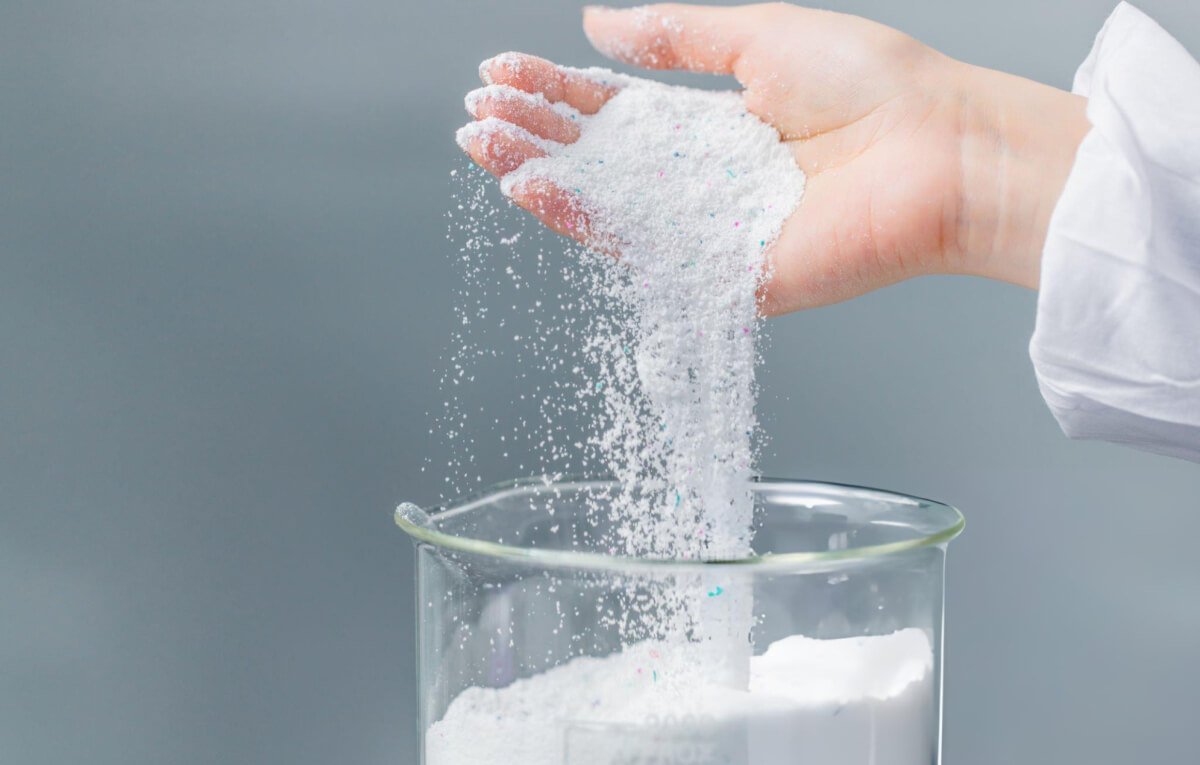
Detergents and Cleaning Products: Industrial sodium silicate liquid is the standard choice here. It acts as a builder, pH stabiliser, and dirt-suspension agent in both powder and liquid detergent formulations.
Refractories and Ceramics: Sodium silicate glass is a preferred raw material in refractory binder production and ceramic glaze manufacturing, where its high thermal stability and precise silica ratios are essential.
Construction and Waterproofing: Both forms find use in the construction sector. The liquid form is used directly as a concrete hardener and waterproofing agent, while the glass form serves manufacturers who produce speciality construction chemicals.
Foundry Applications: Sodium silicate liquid is used as a binder in sand moulds and cores, ensuring mould integrity and casting accuracy.
Chemical Processing: Sodium silicate glass acts as a base material for manufacturing a range of downstream products, including sodium meta silicate, silica gels, zeolites, and various speciality chemicals.
How to Choose the Right Form for Your Business
The decision between sodium silicate glass and sodium silicate liquid ultimately depends on three factors — your position in the value chain, your production infrastructure, and your logistics requirements.
If your business processes raw chemicals and has dissolution equipment, purchasing industrial sodium silicate glass in bulk is more economical. You gain greater control over the final solution’s concentration, density, and ratio, which is valuable for specialised formulations. Additionally, bulk glass cullets are easier and cheaper to transport, particularly for businesses importing or exporting large volumes.
If your operation needs a ready-to-use alkaline solution for direct inclusion in products — such as detergents, construction sealants, or adhesive formulations — sodium silicate liquid is the practical choice. It eliminates the dissolution step and allows faster integration into your production line.
Many large-scale sodium silicate manufacturers in India supply both forms, enabling industrial buyers to source everything from a single, reliable partner.
Why Sri Varahi Chemicals Is the Right Partner
Sri Varahi Chemicals, established in 2001, is among the most trusted sodium silicate manufacturers in India, offering both sodium silicate glass and sodium silicate liquid in industrial-grade quality. With over 25 years of experience, ISO-certified quality assurance, and a distribution network spanning more than 40 countries, the company provides customised chemical ratios, bulk supply options, and competitive pricing backed by dedicated technical support.
Whether you are a sodium silicate glass supplier India is looking to partner with, or you need a dependable sodium silicate liquid supplier India can rely on, Sri Varahi Chemicals delivers consistent quality, on-time logistics, and formulations tailored to your exact specifications.
Ready to discuss your requirements? Get in touch with the team today for bulk quotations, custom grades, and expert guidance on selecting the right sodium silicate form for your industry.