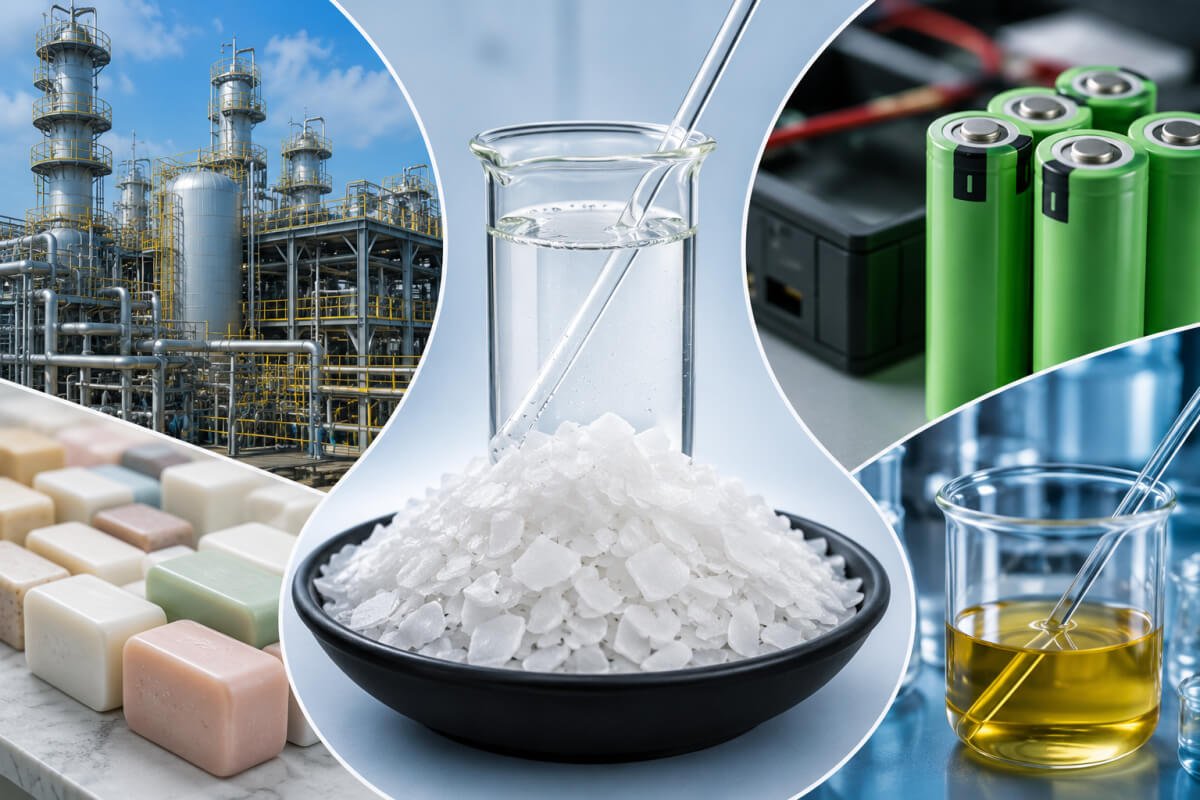
Walk into any laundry soap plant or detergent powder unit in India, and you will find sodium silicate liquid in the raw material store. It is one of the oldest and most cost-effective ingredients in cleaning product formulation. Yet many buyers treat it as a simple filler, when it actually does several jobs at once.
Used correctly, sodium silicate liquid for detergent manufacturing improves cleaning power, protects washing machines, hardens soap bars and keeps finished products stable on the shelf. In this post, Sri Varahi Chemicals explains how the chemical works in laundry soaps and detergents, which grades suit each application, and what to check before you buy sodium silicate liquid in bulk.
What Is Sodium Silicate Liquid?
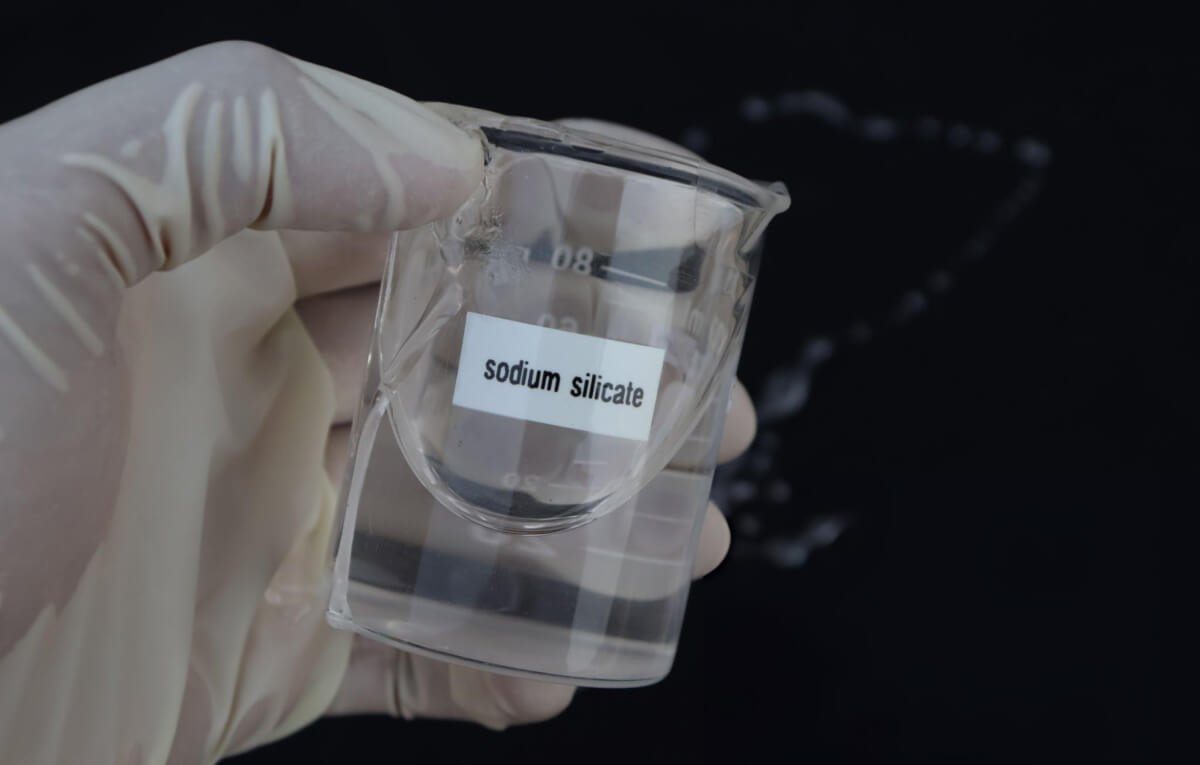
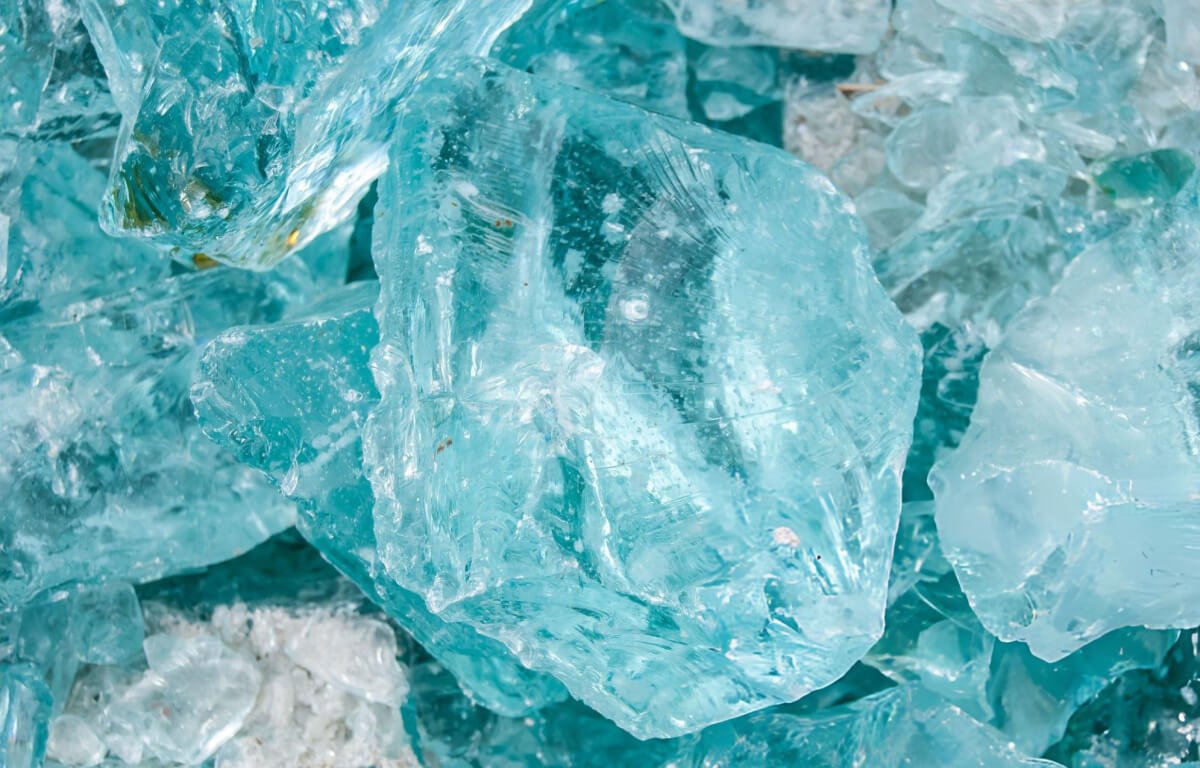
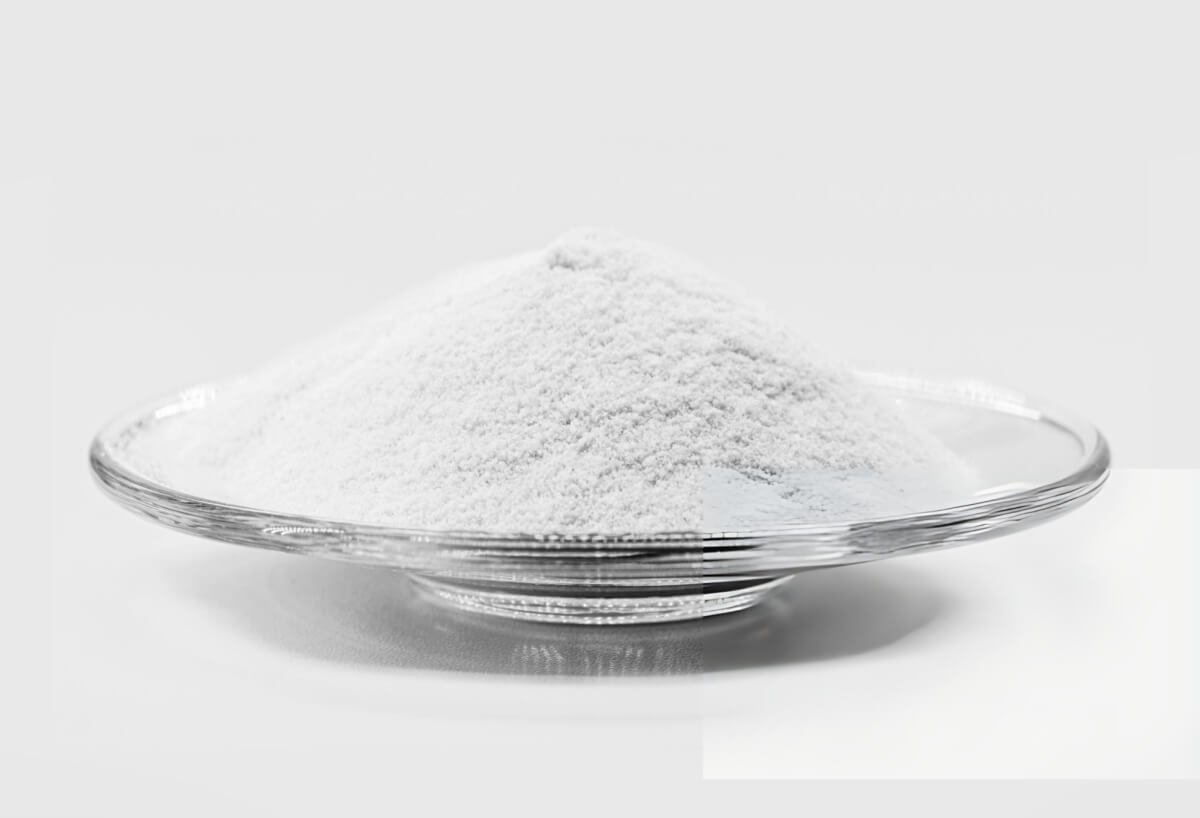
Sodium silicate liquid, also called water glass, is a clear to slightly hazy alkaline solution of sodium oxide (Na₂O) and silica (SiO₂) in water. It is made by dissolving sodium silicate glass under heat and pressure, then adjusting the solution to the required strength.
Two values define every grade:
- Weight ratio (SiO₂ : Na₂O): A lower ratio means higher alkalinity. A higher ratio means more silica and a more “neutral” product.
- Density (°Bé) and solids content: These control viscosity, ease of pumping and how much active material goes into each batch.
For the detergent industry, alkaline grades with ratios of roughly 1.6 to 2.4 are common, as they add useful alkalinity to the wash. Neutral grades around 3.0 to 3.3 are often preferred in laundry soap bars, where binding and hardening matter more. A good sodium silicate detergent grade supplier will help you match the ratio and density to your formula rather than selling a one-size-fits-all product.
Key Functions of Sodium Silicate in Laundry Detergents
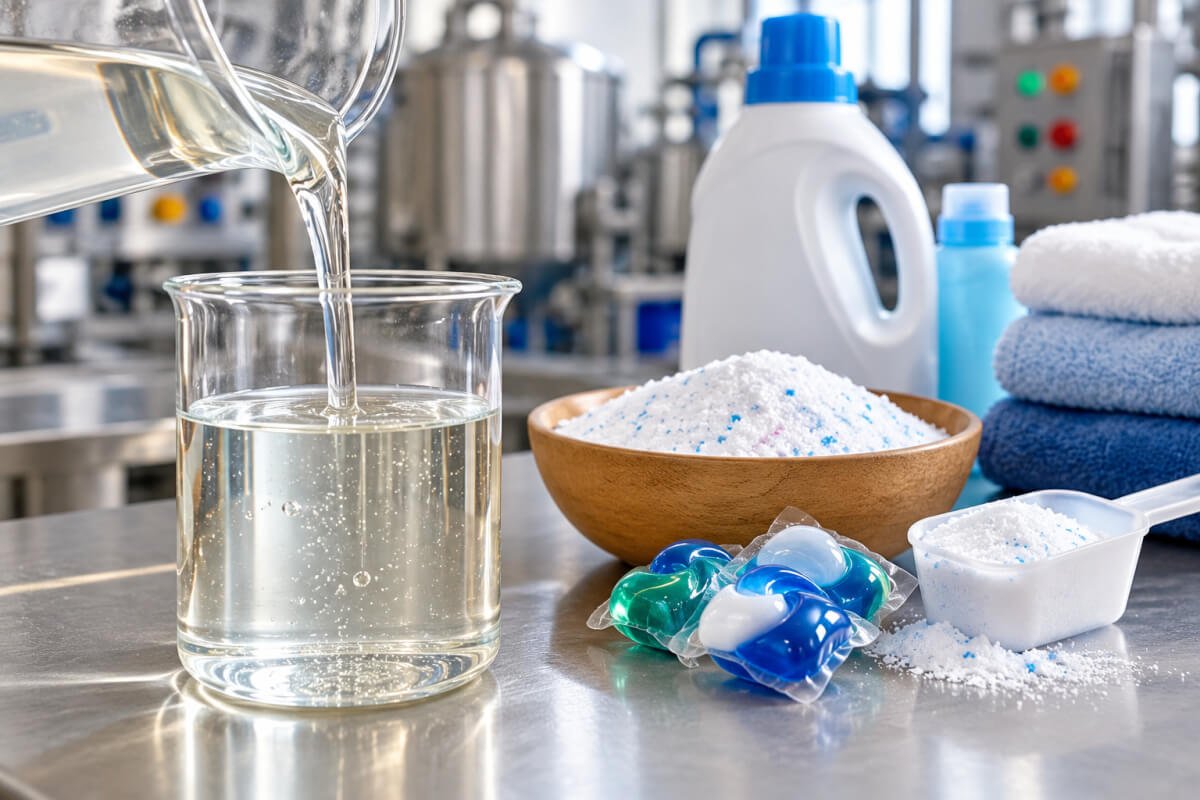
Sodium silicate for laundry detergent is valued because one ingredient delivers several benefits. Here is what it does in a typical powder or liquid formula.
1. Builds and Buffers Alkalinity
Most soils, especially oily and fatty stains, lift more easily at a pH of 10 to 11. Sodium silicate raises the pH of the wash water and, more importantly, holds it there. This buffering keeps surfactants working even when acidic soils enter the wash.
2. Supports Water Softening
Hard water contains calcium and magnesium ions that react with surfactants and reduce lather. Sodium silicate works alongside primary builders to help manage these ions and prevent insoluble deposits. That is why formulators often pair it with sodium tripolyphosphate as a detergent builder for better results in hard-water regions.
3. Prevents Soil Redeposition
Once dirt is removed from fabric, it must stay suspended in the wash water. Silicate helps keep loosened particles dispersed, so clothes do not turn grey or dull after repeated washes.
4. Protects Washing Machines from Corrosion
This is a benefit few other ingredients offer. Sodium silicate forms a thin protective film on metal parts such as aluminium drums, steel components and enamel. It reduces corrosion caused by alkaline wash water, which extends machine life.
5. Improves Powder Structure
In spray-dried and dry-mix detergent powders, liquid silicate acts as a binder. It helps form free-flowing granules, reduces dust and prevents caking during storage. Many manufacturers also combine it with soda ash light in detergent and soap manufacturing to balance alkalinity and granule density.
6. Stabilises Bleaching Agents
In formulas that contain oxygen-based bleach, silicate helps limit the breakdown caused by trace metal ions, so the bleach stays active until wash time.
Role of Sodium Silicate in Laundry Soap Manufacturing
Laundry bars and detergent cakes remain a large segment of the Indian market. Here, sodium silicate for soap manufacturing plays a slightly different role than in powders.
- Hardening and binding: Silicate gives bars a firm body, so they do not crack, soften or turn mushy when left wet near the washing area.
- Reduced wastage: Harder bars wear down more slowly, which consumers notice as better value per bar.
- Cost optimisation: By partly replacing more expensive fatty matter, silicate helps manufacturers control formulation costs without a major drop in performance.
- Extra cleaning support: Its alkalinity boosts the soap’s ability to remove oily dirt and collar stains.
- Better finish: The right grade helps achieve a smooth surface and clean extrusion during plodding and stamping.
Soap makers usually blend sodium silicate with soap noodles, fillers and builders in the mixer before plodding. Dosage depends on the bar type, desired hardness and total fatty matter (TFM) target, so trial batches are essential.
How Sodium Silicate Liquid Is Added During Production
The point of addition depends on the process, but the general practice in the detergent industry looks like this:
- Slurry preparation (spray-dried powders): Silicate is added to the crutcher with surfactants, builders and fillers. Adding it at the right stage keeps slurry viscosity manageable.
- Dry mixing or agglomeration: In non-tower plants, liquid silicate is sprayed onto the dry mix to bind granules and add alkalinity.
- Soap and cake making: It is dosed into the sigma or ribbon mixer along with other ingredients, then the mass is milled, plodded and stamped.
- Liquid detergents: Lower quantities are used, mainly for corrosion protection and pH buffering, with careful checks on clarity and stability.
Where a dry ingredient is easier to handle, some manufacturers switch to sodium silicate powder for post-dosing. Whatever the form, consistent ratio and density from batch to batch are what keep your final product uniform.
What to Look for in a Sodium Silicate Liquid Supplier in India
Small variations in silicate quality can change your slurry behaviour, bar hardness and finished pH. Before you finalise a sodium silicate liquid supplier in India, check the following:
- Consistent specifications: Ask for the guaranteed ratio, °Bé, total solids and Na₂O/SiO₂ percentages, along with a Certificate of Analysis for every lot.
- Clarity and low impurities: Iron and insoluble content should be low, especially for white or light-coloured detergents.
- Grade options: An experienced industrial sodium silicate liquid supplier should offer alkaline and neutral grades to suit both powders and bars.
- Bulk logistics: Tanker loads, HDPE drums and IBCs should be available, with dependable delivery timelines.
- Technical support: The right partner helps with grade selection, storage advice and troubleshooting.
Buy Sodium Silicate Liquid in Bulk from Sri Varahi Chemicals
Sri Varahi Chemicals is a trusted sodium silicate liquid manufacturer in India, serving soap, detergent and allied industries with consistent, application-ready grades. As a sodium silicate liquid bulk supplier in India, we offer:
- Detergent and soap grades in multiple ratios and densities
- Batch-wise quality testing with full documentation
- Flexible packing, from drums to tanker loads
- Reliable supply for both regular contracts and spot orders
Whether you run a laundry bar unit, a detergent powder plant or a liquid detergent line, our team can recommend the right sodium silicate liquid for the detergent industry based on your formulation and process. To buy sodium silicate liquid in bulk or request a sample and price quote, contact Sri Varahi Chemicals today.