Every bar of soap on a store shelf in India carries a grade, and that grade says a lot about what is inside. Grade 1, Grade 2 and Grade 3 soaps differ in cleansing power, lather, feel on the skin and price. For manufacturers, the grade starts with one raw material: soap noodles.
Choosing the right noodles, with the right total fatty matter (TFM), decides whether your soap meets its labelled grade, satisfies customers and stays profitable. In this post, Sri Varahi Chemicals explains how soap grades work, what each grade of noodles offers, and how to pick the right TFM for your brand.
What Are Soap Noodles?
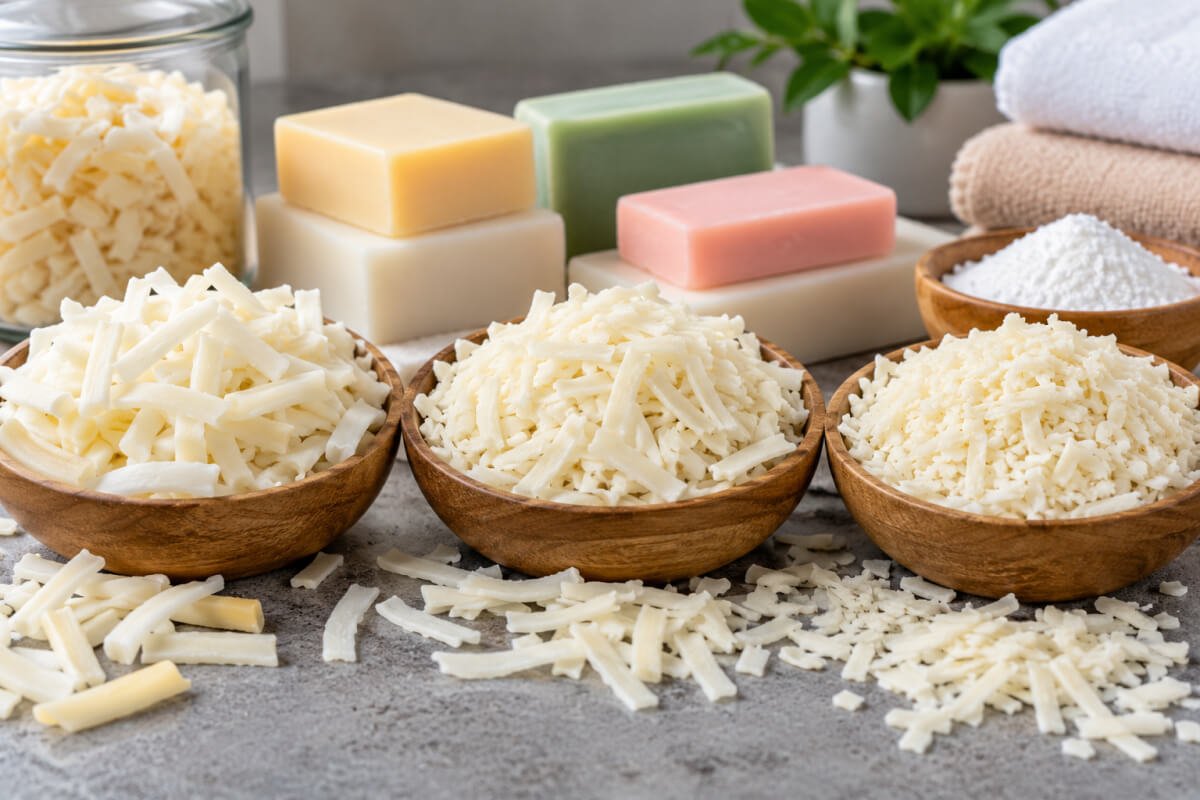
Soap noodles are the basic building block of bar soap. They are made by saponifying oils and fats, such as palm oil, palm kernel oil, coconut oil or tallow, with caustic soda. The neat soap is then dried and extruded into small pellets or “noodles.”
Using soap noodles for soap manufacturing saves producers from running their own saponification plant. They simply add fragrance, colour, additives and fillers, then mill, plod and stamp the mass into finished bars. This keeps capital costs low and quality more consistent.
The oil blend also matters. A common ratio is 80:20 palm to palm kernel oil, which balances hardness and lather. Higher lauric content, from palm kernel or coconut oil, gives quicker, richer foam.
What Is TFM?
Total fatty matter (TFM) is the percentage of fatty material in soap. It is the single most important quality indicator for bar soap in India. Higher TFM generally means better cleansing, creamier lather, less mushiness and a gentler feel on the skin.
The Bureau of Indian Standards classifies toilet soaps by minimum TFM, and manufacturers must print the grade on the pack. This is why the TFM of your noodles directly sets the grade your finished soap can claim.
Grade 1 vs Grade 2 vs Grade 3 Soap Noodles
Grade 1 Soap Noodles
Grade 1 soap noodles are used to make premium bath soaps with a minimum TFM of 76%. Noodles for this grade typically carry 78–80% TFM, leaving room for fragrance and additives. They produce bars that are hard, long-lasting, rich in lather and mild on skin. Beauty soaps, moisturising bars and herbal premium soaps fall in this category.
Grade 2 Soap Noodles
Grade 2 soap noodles serve the mid-market segment, where finished soap needs a minimum TFM of 70%. These bars offer good cleansing and decent lather at a lower cost than Grade 1. Many popular family and freshness soaps are made with this grade, as it strikes a balance between performance and price.
Grade 3 Soap Noodles
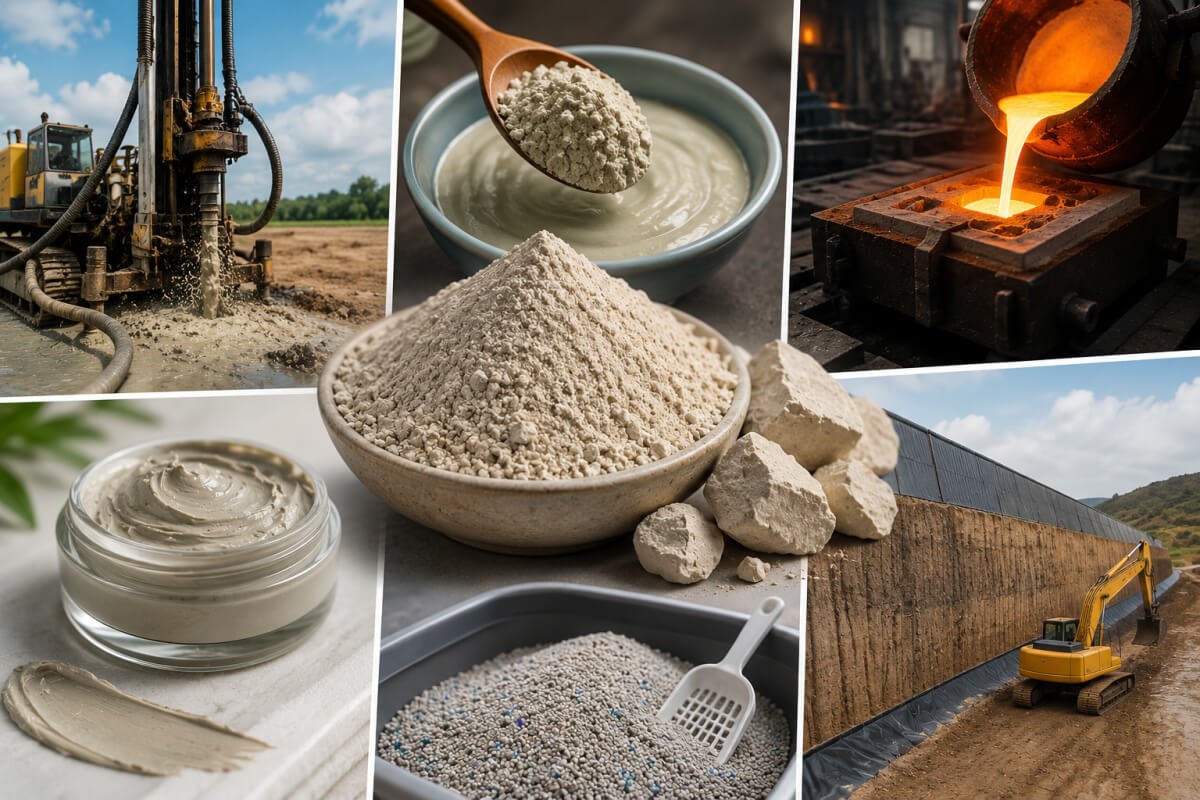
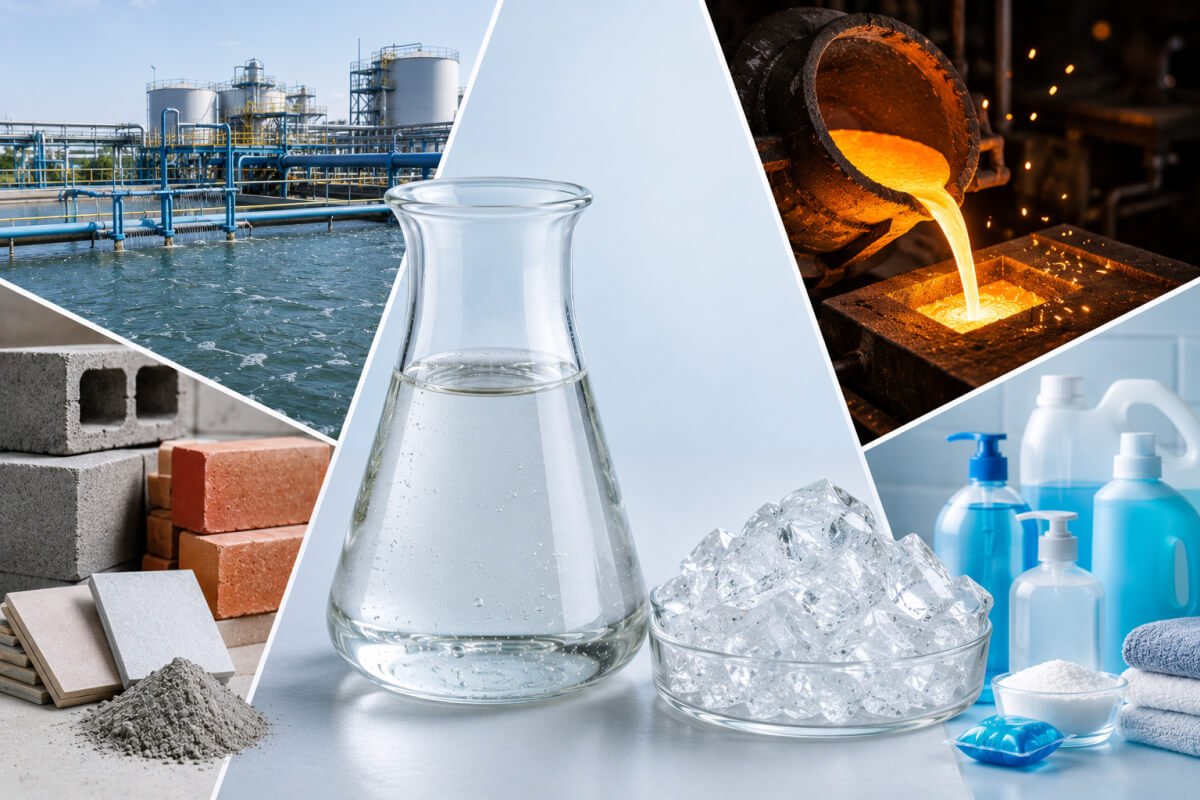
Grade 3 soap noodles are used for economy soaps with a minimum TFM of 60%. Manufacturers often use fillers and hardeners to bring cost down while maintaining bar shape. Common additions include china clay for body and sodium silicate liquid for hardness and binding. These bars sell well in rural markets and in price-sensitive segments.
Side-by-Side Comparison
| Feature | Grade 1 | Grade 2 | Grade 3 |
|---|---|---|---|
| Minimum TFM in finished soap | 76% | 70% | 60% |
| Typical noodle TFM | 78–80% | 72–76% | 62–70% |
| Lather | Rich and creamy | Good | Moderate |
| Skin feel | Mildest | Mild | Can feel drying |
| Bar life and mush | Longest, least mushy | Moderate | Wears faster |
| Filler content | Minimal | Low to moderate | Higher |
| Market segment | Premium and beauty | Mid-range family | Economy |
| Cost | Highest | Medium | Lowest |
Noodle TFM ranges are typical and vary by supplier and oil blend.
How to Choose the Right TFM Noodles for Your Soap
The best grade is the one that fits your product, customer and price point. Ask yourself these questions:
- Who is the buyer? Premium urban shoppers expect Grade 1 quality. Value-conscious households and institutions often prefer Grade 2 or Grade 3.
- What claim will you print? Your noodle TFM must leave enough margin to meet the declared grade after adding perfume, colour and fillers.
- What performance do you need? For beauty, glycerine or moisturising soaps, choose high-TFM noodles. For laundry or hand-wash bars, lower grades with hardeners may work well.
- Which oil blend suits you? Palm-based blends give hard bars. More lauric oil gives quicker foam, useful in hard-water regions.
- What is your margin target? Lower TFM reduces cost, but customer complaints about mushiness or poor lather can hurt repeat sales.
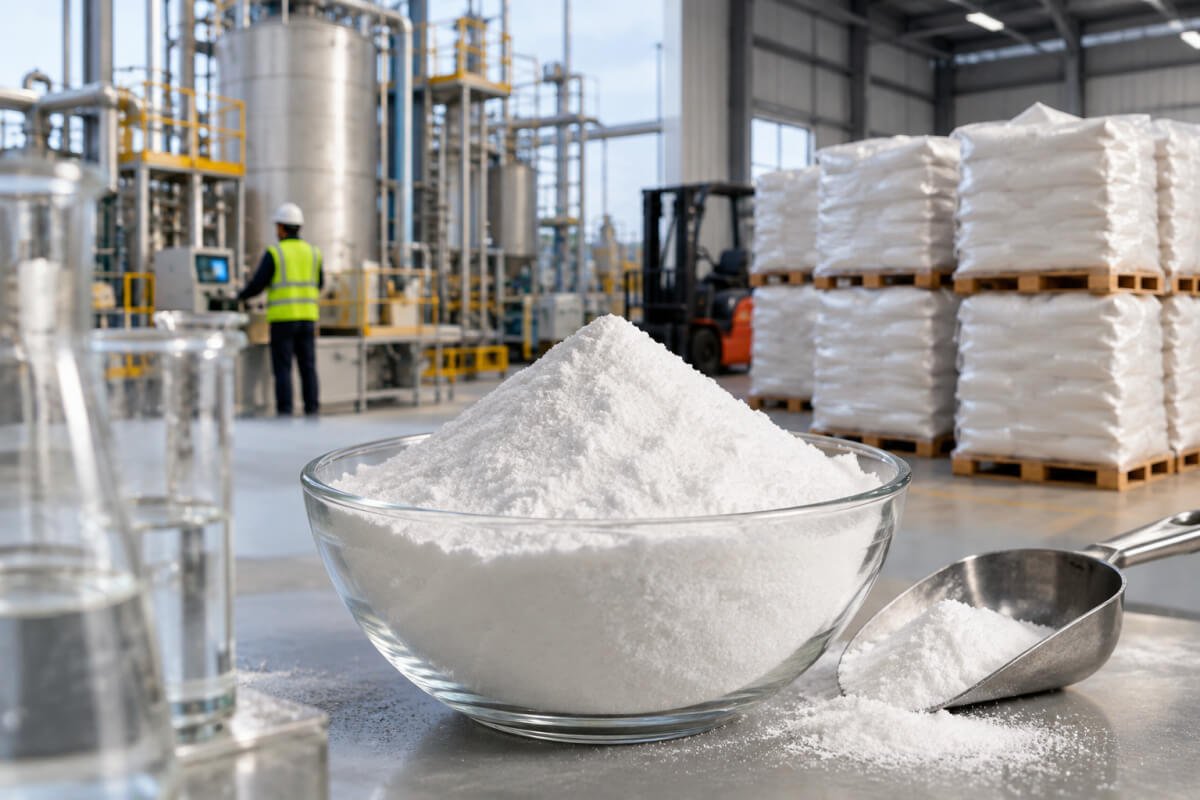
Additives also shape the final bar. In laundry bars and detergent cakes, soda ash light for soap making is a common addition that boosts alkalinity and cleaning power.
Soap Noodles Price in India: What Affects Cost?
Soap noodles price in India changes often, because it follows global vegetable oil markets. The main cost drivers are:
- TFM level: Higher TFM means more oil per tonne, so Grade 1 noodles cost the most.
- Oil blend: Palm kernel and coconut oils are usually costlier than palm oil, so high-lauric blends raise the price.
- Global palm oil prices: Most noodles in India rely on imported palm oils, so prices from Indonesia and Malaysia, import duties and the rupee exchange rate all play a part.
- Order volume: Bulk and contract buyers usually get better rates than spot buyers.
- Packing and freight: Distance from the supplier’s warehouse and bag type affect landed cost.
Because prices move with commodity markets, it is best to request a fresh quote before each purchase rather than relying on old rate lists.
What to Look for in Soap Noodles Suppliers in India
The quality of your soap can only be as good as the noodles you buy. When comparing soap noodles suppliers in India, check:
- Guaranteed TFM: Every batch should come with a Certificate of Analysis showing TFM, moisture and free alkali.
- Low free fatty acid and free alkali: These affect skin mildness, odour and shelf life.
- Colour and odour: Clean, light-coloured noodles with neutral odour give better results with perfumes and dyes.
- Consistent pellet size: Uniform noodles mix and mill more evenly.
- Reliable supply: An industrial soap noodles bulk supplier should hold stock and deliver on time, even in peak season.
Source Quality Soap Noodles from Sri Varahi Chemicals
Grade 1 noodles give premium bars, Grade 2 noodles offer value, and Grade 3 noodles keep economy soaps affordable. The right choice depends on your market, your label claim and your margins, but consistent TFM matters at every grade.
Sri Varahi Chemicals is a trusted TFM soap noodles supplier serving soap makers across the country. As a soap noodles manufacturer in India and high TFM soap noodles manufacturer, we offer:
- Grade 1, Grade 2 and Grade 3 soap noodles in multiple TFM levels
- Toilet and laundry soap noodles in different oil blends
- Batch-wise testing with full documentation
- Bulk packing and timely delivery for regular and contract buyers
- Complementary raw materials such as soap fillers, hardeners and alkalis from one source
Looking for the latest soap noodles price in India or a sample for trial batches? Get in touch with Sri Varahi Chemicals today, and our team will help you choose the right grade for your soap.