Alkalis are the workhorses of industrial chemistry. They clean, neutralise, saponify, soften water and drive countless reactions. But when a plant manager or formulator has to choose between sodium metasilicate, caustic soda and soda ash, the decision is not always simple.
Each of these chemicals is alkaline, yet they differ sharply in strength, safety, cost and what they do beyond raising pH. Picking the wrong one can mean damaged equipment, poor cleaning results or wasted money. In this post, Sri Varahi Chemicals compares the three side by side, so you can choose the best alkali for your process.
Understanding the Three Alkalis
Sodium Metasilicate (Na₂SiO₃)
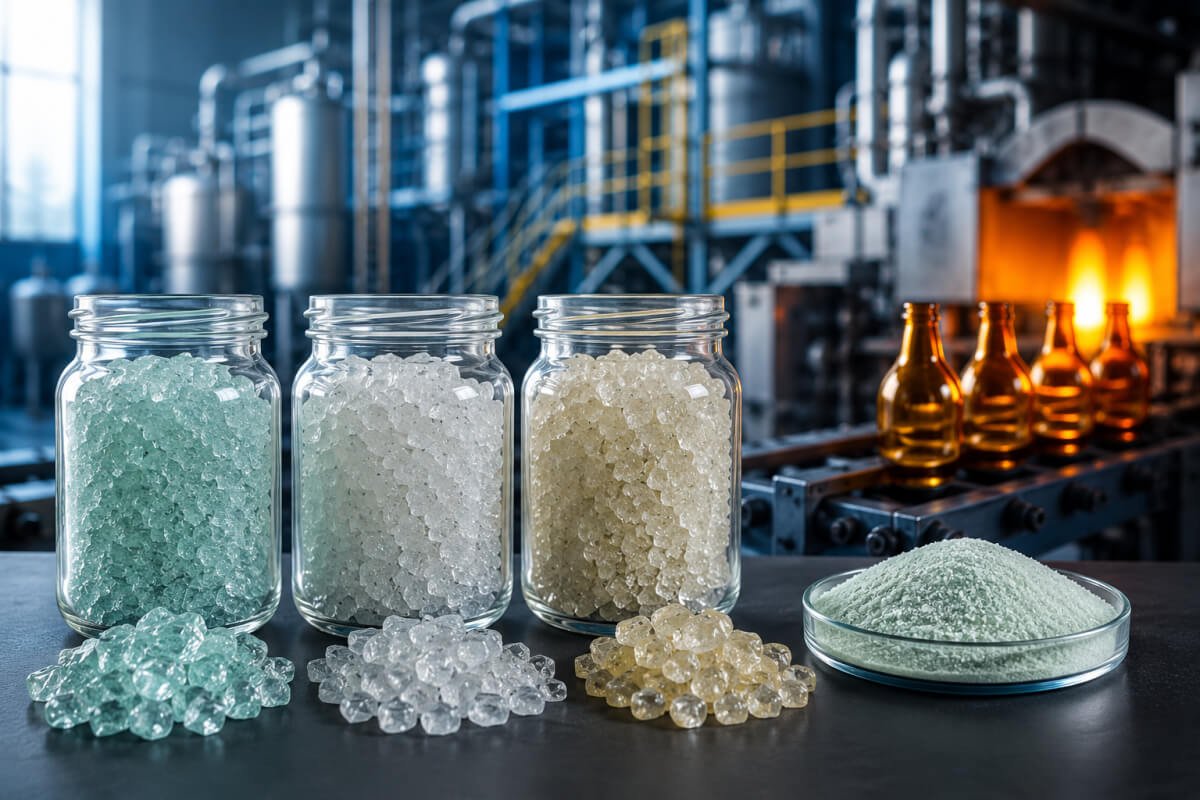
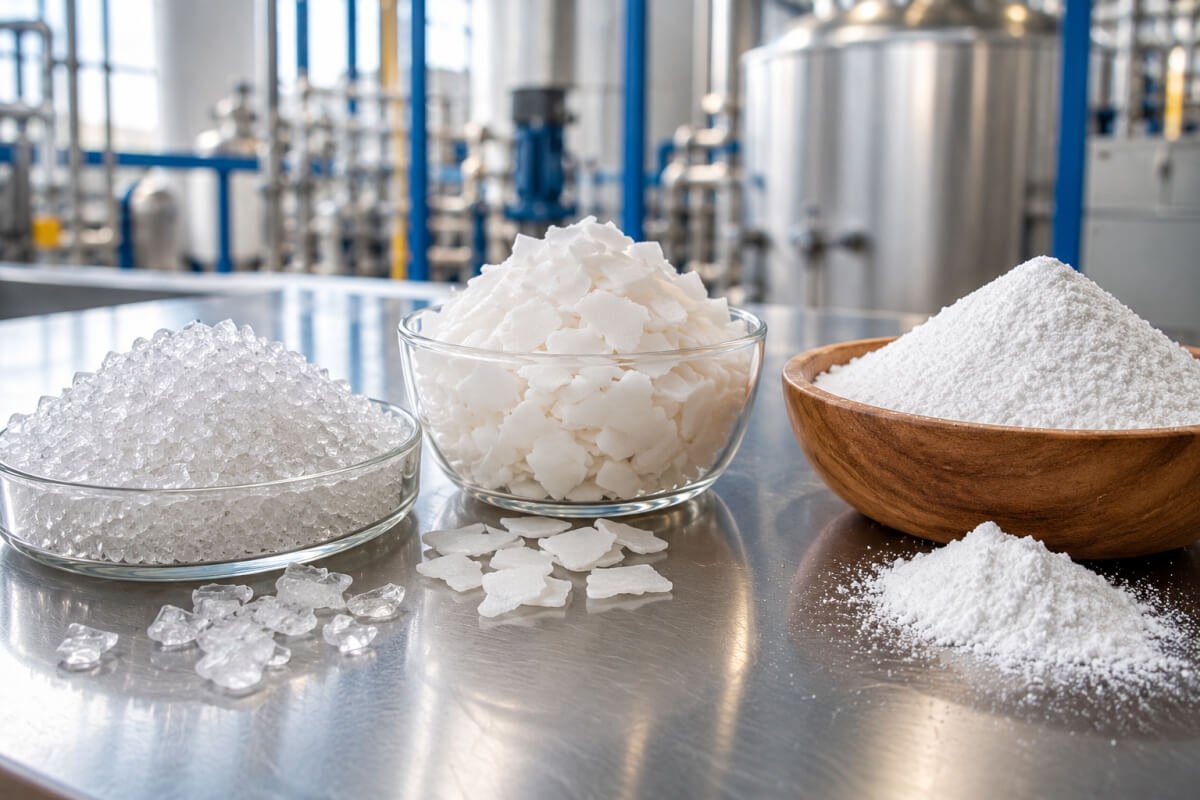
Sodium metasilicate is a white, free-flowing granular solid, available in anhydrous and pentahydrate forms. It combines strong alkalinity with the special properties of soluble silicate. It buffers pH, suspends soil, emulsifies grease and protects metal surfaces from corrosion. These qualities make it a favourite in cleaning compounds and detergents.
Caustic Soda (NaOH)
Caustic soda, or sodium hydroxide, is the strongest of the three. It comes as flakes, pearls, prills or lye. It is highly reactive and dissolves fats, proteins and many organic materials quickly. Its power also makes it hazardous: it causes severe burns and attacks aluminium, zinc and some alloys.
Soda Ash (Na₂CO₃)
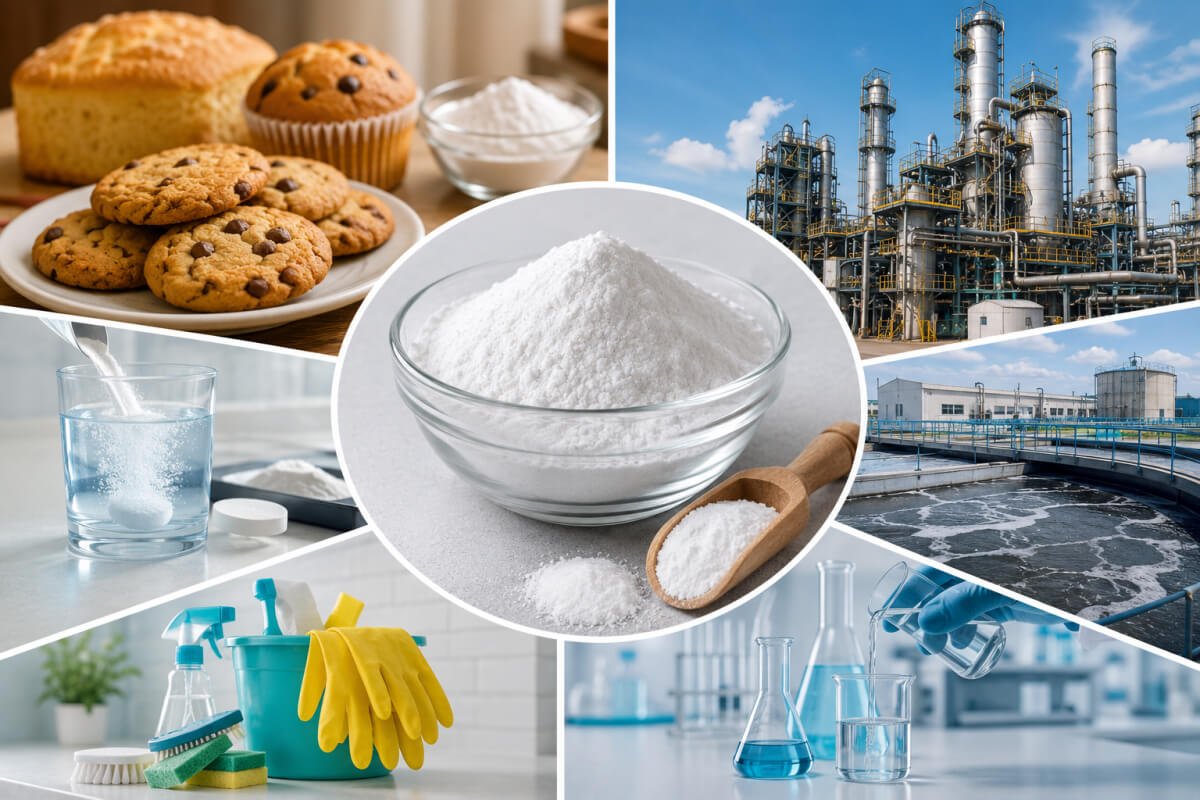
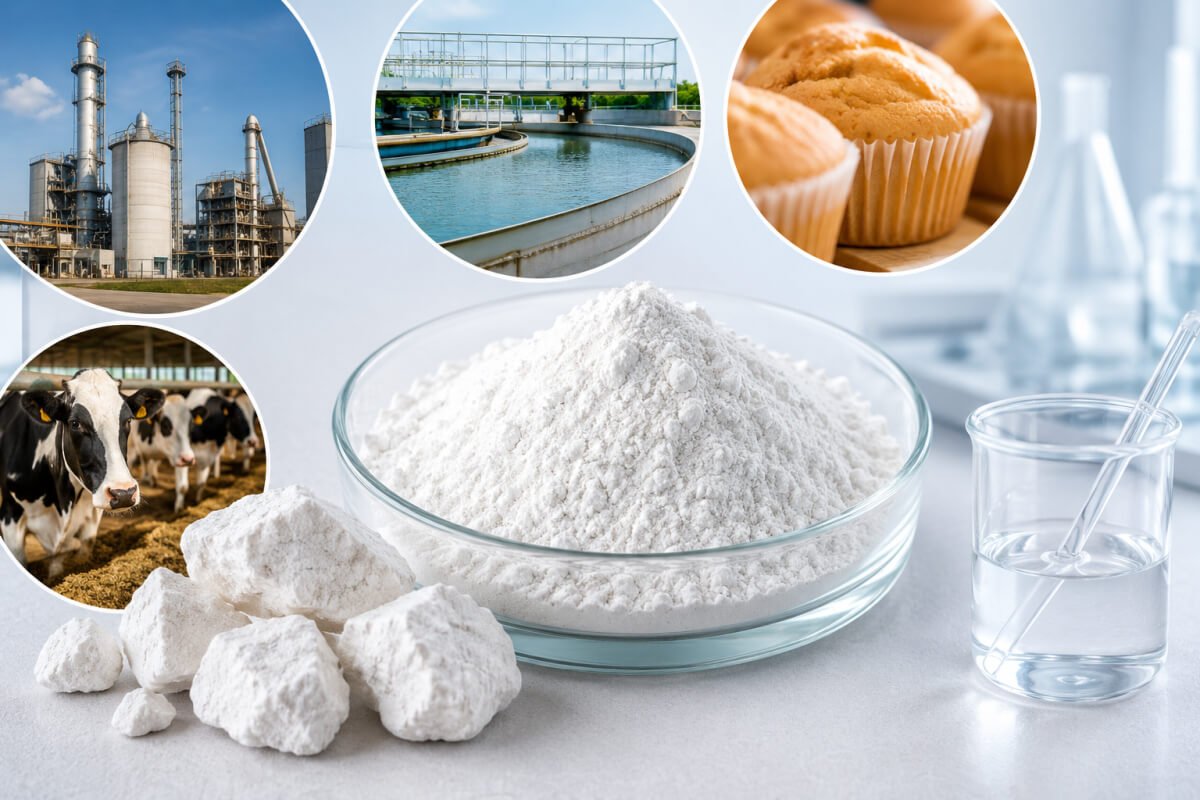
Soda ash, or sodium carbonate, is a milder alkali that comes in light and dense grades. Knowing the difference between soda ash light and soda ash dense helps buyers pick the right form for their equipment. It is economical, easy to handle and widely used in glass, detergents and water treatment.
Quick Comparison at a Glance
| Property | Sodium Metasilicate | Caustic Soda | Soda Ash |
|---|---|---|---|
| Chemical formula | Na₂SiO₃ | NaOH | Na₂CO₃ |
| Approx. pH (1% solution) | About 12.5 | About 13 or higher | About 11.4 |
| Alkalinity strength | High | Very high | Moderate |
| pH buffering | Excellent | Poor | Good |
| Corrosion on metals | Inhibits corrosion | Attacks aluminium and zinc | Mild |
| Soil suspension and emulsifying | Yes | No | Limited |
| Handling safety | Corrosive, handle with care | Highly hazardous | Relatively safe |
| Relative cost | Moderate | Moderate to high | Low |
Values are typical and vary by grade and concentration.
Sodium Metasilicate vs Caustic Soda
The sodium metasilicate vs caustic soda debate usually comes down to power versus control. Caustic soda delivers raw alkalinity and is unmatched for tasks such as saponification, pulping and heavy neutralisation. But it does nothing to keep removed soil in suspension, and it can etch or corrode soft metals.
Sodium metasilicate offers slightly lower pH but far better all-round cleaning. Its silicate content forms a protective film on aluminium, brass and steel, so it is safer for equipment. It also buffers the solution, which means cleaning strength stays steady as soils are added. For metal degreasing, floor cleaners and dishwashing compounds, metasilicate is often the better choice. Many formulators also blend the two to get high alkalinity with corrosion protection.
Sodium Metasilicate vs Soda Ash
In the sodium metasilicate vs soda ash comparison, soda ash wins on price and ease of handling. It is ideal where moderate alkalinity is enough, such as water softening, pH adjustment and laundry powders.
However, soda ash lacks strong detergency on oily and greasy soils. Sodium metasilicate brings higher alkalinity, emulsification and anti-redeposition properties. When cleaning performance matters more than cost, metasilicate is the stronger option. In detergents, both are frequently used together for balanced results.
Caustic Soda vs Soda Ash
The caustic soda vs soda ash choice is about strength and safety. Caustic soda is roughly a hundred times stronger in pH terms and reacts much faster. It suits chemical synthesis, alumina refining, textile mercerising and heavy-duty cleaning.
Soda ash is gentler, cheaper and safer to store. It is the preferred raw material for glass manufacturing, detergent powders and many water treatment duties. In practice, caustic soda and soda ash for industrial use often complement each other, with plants keeping both in stock for different jobs.
Which Alkali Should You Use? An Application Guide
| Application | Best choice | Why |
|---|---|---|
| Metal cleaning and degreasing | Sodium metasilicate | Strong cleaning with corrosion protection |
| Industrial and institutional cleaners | Sodium metasilicate | Buffers pH and suspends soil |
| Laundry and dishwash detergents | Metasilicate with soda ash | Balanced alkalinity, detergency and cost |
| Soap making (saponification) | Caustic soda | Needed to convert oils and fats into soap |
| Pulp, paper and alumina processing | Caustic soda | High reactivity for digestion |
| Glass manufacturing | Soda ash | Key flux and source of sodium oxide |
| Water softening and pH correction | Soda ash | Mild, economical, precipitates hardness |
| Textile scouring | Caustic soda or metasilicate | Removes waxes and impurities |
Sodium Metasilicate Industrial Applications
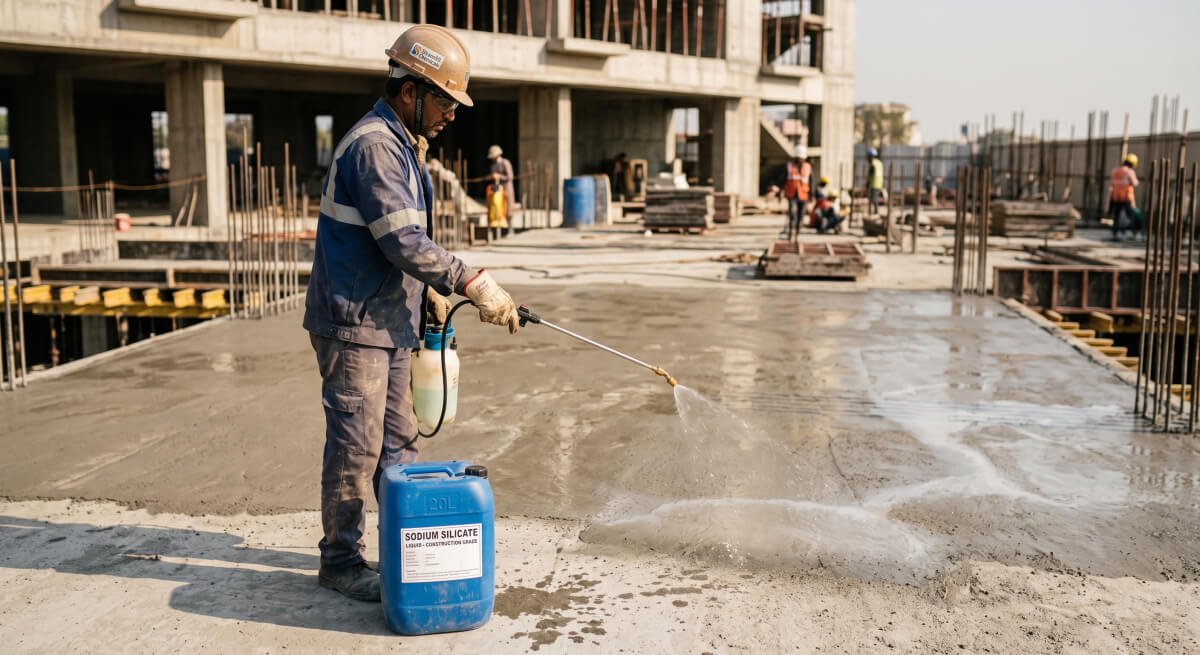
Beyond the table above, sodium metasilicate industrial applications include ceramic deflocculation, paper de-inking, peroxide bleach stabilisation in textiles and cement accelerators. Its strongest demand, however, comes from industrial cleaning with sodium metasilicate, including CIP systems, vehicle washes and food plant sanitation, where equipment protection matters.
Sourcing Industrial Alkalis: What Buyers Should Check
Whether you are working with a caustic soda manufacturer in India, a soda ash supplier in India or a sodium metasilicate producer, the same buying principles apply:
- Assay and purity: Ask for guaranteed active content and low iron, chloride and insoluble matter.
- Physical form: Check granule size, flow and dust levels to suit your dosing system.
- Consistency: A Certificate of Analysis with every batch protects your process from variation.
- Packaging and storage: Moisture-proof bags matter, because all three alkalis absorb water and carbon dioxide from air.
- Supply reliability: Bulk users need steady stock, clear lead times and responsive service.
Before placing a long-term order, it also pays to verify a reliable sodium metasilicate manufacturer in India by reviewing its plant capacity, quality systems and client references.
Partner with Sri Varahi Chemicals for Your Alkali Needs
There is no single “best” alkali for every job. Caustic soda brings unmatched strength, soda ash brings economy and safety, and sodium metasilicate brings the most complete cleaning performance with built-in corrosion protection. The right choice depends on your process, equipment and budget.
Sri Varahi Chemicals is an experienced sodium metasilicate manufacturer in India and an industrial alkali chemicals supplier to the detergent, cleaning, textile, ceramics and metal-finishing industries. As a sodium metasilicate bulk supplier in India, we offer:
- Anhydrous and pentahydrate grades of consistent quality
- Soda ash light and dense for detergent, glass and water treatment use
- Batch-wise testing with full documentation
- Flexible packing and dependable bulk delivery across India
Not sure which alkali suits your formulation? Contact Sri Varahi Chemicals today for technical guidance, samples and a competitive bulk quote.